
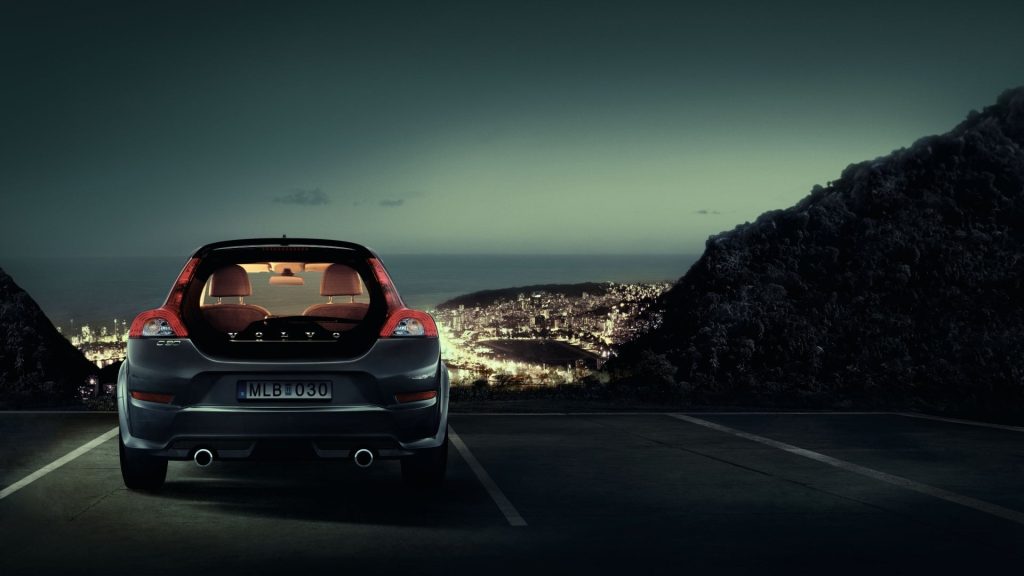
Volvo has long been synonymous with safety and Scandinavian practicality, qualities that established it as a cornerstone of the global automotive industry. However, beyond the legendary reliability and high safety ratings lies a deeply artistic side. Volvo has consistently produced vehicles that blend aesthetic beauty with technical performance and cultural impact.
This curated list explores the most beautiful Volvos ever made, highlighting the cars that challenged perceptions and proved that Swedish engineering can be as breathtaking as it is secure.
1. Volvo P1800: The Timeless Swedish Sports Icon
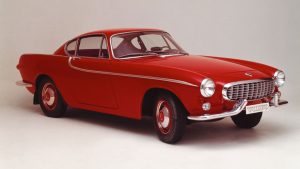
When discussing beauty and style, the Volvo P1800 is often the first model that comes to mind. Launched in 1961, the P1800 broke away from the boxy shapes of the era with elegant, Italian-inspired lines. Though the mechanical components were derived from the robust Amazon series, the styling was the work of Pelle Petterson under the guidance of Pietro Frua in Turin.
The P1800 became a global cultural symbol as the vehicle of choice for Roger Moore in the television series The Saint. It remains an icon of endurance and style, famously holding the world record for the highest mileage ever recorded by a private vehicle.
Key Design Elements
- An iconic silhouette featuring crisp proportions and a classic long-hood, short-deck profile.
- A unique mix of Italian flair and Swedish durability.
- Pronounced rear fins that were later evolved for future generations.
2. Volvo 1800ES: The Future-Looking Shooting Brake
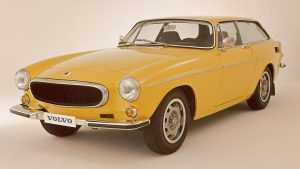
In 1972, Volvo reimagined the P1800 as a two-door shooting brake, resulting in the 1800ES. This model was a bold departure from traditional body styles, featuring a dramatic, frameless all-glass rear hatch. It successfully blended the elegance of a sports car with the utility of a station wagon.
The 1800ES was produced for only two years, with approximately 8,000 units ever built, making it a highly sought-after collector’s item today. Its design was so influential that its signature glass tailgate became a recurring motif for Volvo in later decades.
Also Read: History of Volvo
3. Volvo 480: The Bold European Innovator
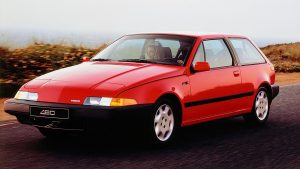
The Volvo 480, produced from 1986 to 1995, represented a major shift in the brand’s engineering and design philosophy. It was Volvo’s first front-wheel-drive production car and the only model in its history to feature pop-up headlights.
With its wedge-shaped profile and four-seat layout, the 480 was designed to appeal to younger, more individualistic buyers in Europe. While it was originally planned for the United States market, it remained a European exclusive, eventually becoming a cult classic for its quirky yet aerodynamic form.
4. Volvo C30: The Modern Scandinavian Hatchback

Introduced in 2006, the Volvo C30 brought the brand’s heritage into the 21st century. Its design was heavily inspired by the 1800ES, most notably in the large, horseshoe-shaped taillights and the frameless glass tailgate.
The C30 offered a premium, sporty feel in a compact package. Its wide track and long wheelbase gave it a planted, aggressive stance that stood out in the crowded hatchback segment. It remains one of the most distinctive designs of the modern era, praised for its clean lines and minimalist Scandinavian interior.
5. Volvo 850 T-5R and 850 R: The Sporty Boxer
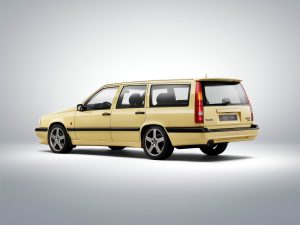
In the mid-1990s, Volvo proved that even its most practical wagons could be visually striking. The 850 T-5R, developed in collaboration with Porsche, debuted in 1995 with a limited-edition Cream Yellow paint job that defied the brand’s conservative reputation.
The T-5R and its successor, the 850 R, featured purposeful styling cues such as a deeper front spoiler, a subtle rear wing, and 17-inch Titan five-spoke wheels. These models combined a muscular, boxy aesthetic with high-performance turbocharged engines, effectively creating the “sleeper” car legacy that fans still celebrate.
6. Volvo S60R and V60R: Sophisticated Performance
During the early 2000s, Volvo introduced the R variants of the S60 sedan and V60 wagon to compete with Europe’s elite performance brands. These models maintained a sophisticated, understated appearance while incorporating aggressive functional elements.
Key Performance and Design Highlights
- Aerodynamic body kits and a lower, performance-oriented stance.
- An advanced active chassis system developed with Ohlins.
- The signature Flash Blue Metallic exterior paired with Atacama orange leather interiors.
7. Polestar 1: The Ultimate Design Heritage
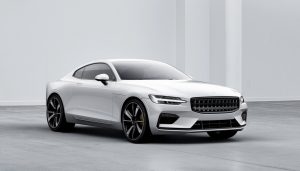
Though launched under the standalone Polestar brand in 2019, the Polestar 1 is the spiritual successor to the Volvo P1800. It began its life as the Volvo Concept Coupe and was heavily influenced by the proportions of the original 1960s icon.
The Polestar 1 features a lightweight carbon fiber body, a sleek grand-touring silhouette, and a high-performance hybrid powertrain. It serves as a bridge between Volvo’s rich design history and its future in high-performance electrification.
Also Read: Twin Luxury Cars in India – Hidden Siblings of Premium Automotive Brands
Why Volvo’s Design Legacy Matters
From the cinematic elegance of the P1800 to the bold innovation of the 480 and the modern precision of the Polestar 1, Volvo has consistently defied automotive stereotypes. While safety and reliability remain the core of the brand, these models demonstrate a deep-seated commitment to Scandinavian art and creative expression. Volvo’s portfolio continues to offer some of the most visually compelling and thoughtfully designed vehicles on the road today.
As the automotive world shifts toward a new era of technology, the design language of Volvo continues to evolve while staying rooted in the principles of Nordic excellence. To stay updated on the latest automotive trends, expert vehicle analysis, and deep dives into the history of your favorite brands, follow Motozite for comprehensive insights and updates.
