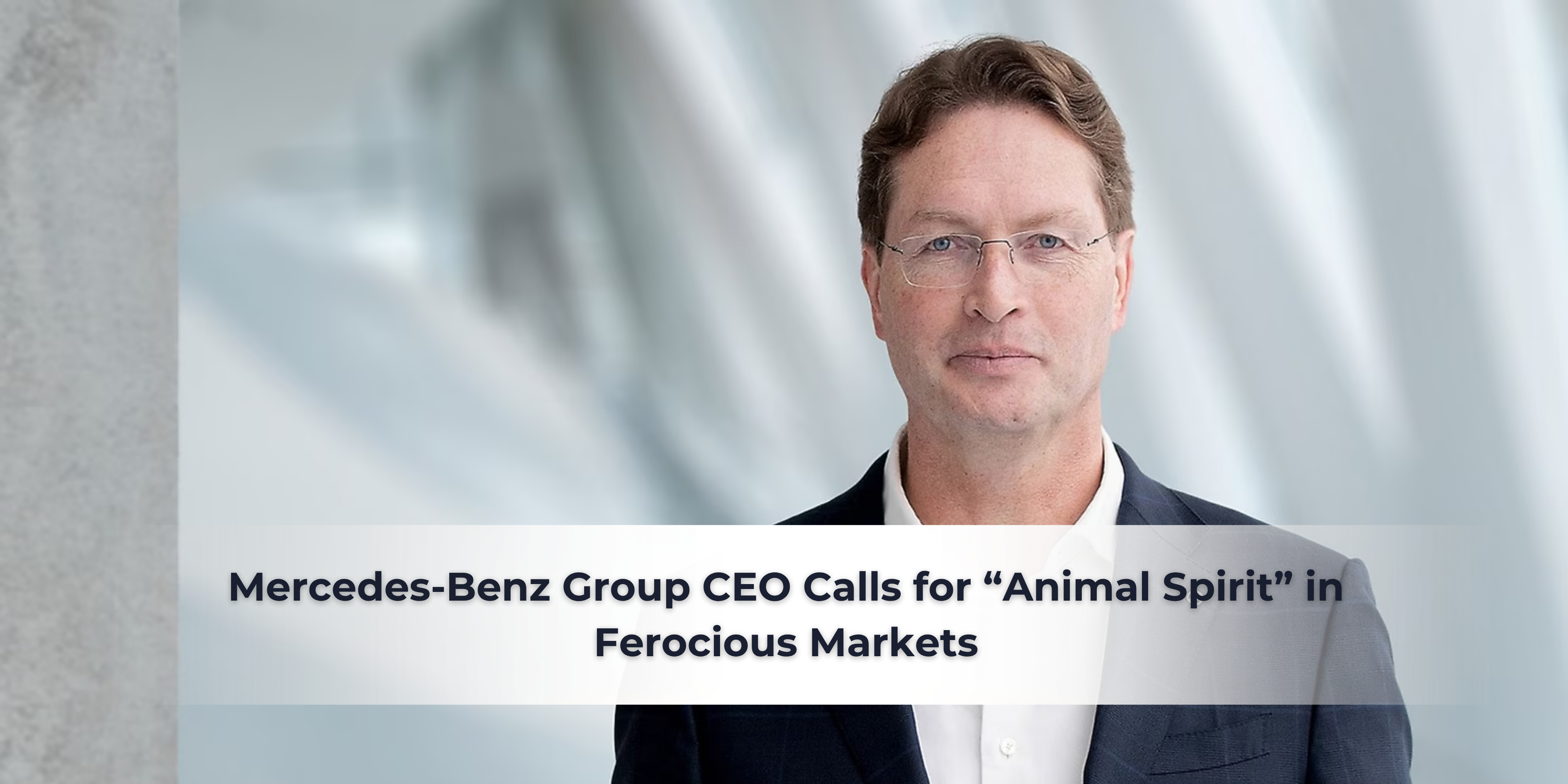
At the latest earnings call for Q3 2025, Mercedes-Benz CEO Ola Källenius said the auto industry must “adapt like animals” to survive intense competition in China and the U.S. With sales in China down 27% YoY and U.S. volume off 17%, the luxury brand’s battle-and by extension what it signals for premium-car buyers-is as much strategic as it is mechanical.
Why This Statement Catches the Eye of Luxury-Car Owners
When a luxury-car manufacturer’s CEO uses metaphors like animal survival instinct, it’s more than PR-it signals deep structural shifts. Here’s why this Mercedes-Benz strategic pivot matters for buyers of premium vehicles (especially in markets like India):
- Brand strength & future-proofing: A brand that feels threatened globally may either become more aggressive in product investment (good for buyers) or face cost cuts and delays (risk for buyers).
- Sign of shifting priorities: Mercedes-Benz isn’t just saying “we must survive” — it’s saying “we must thrive by changing.” That means product mix, electrification, localisation and pricing strategies may pivot.
- Implications for ownership experience: If competition intensifies, expect potential changes in how luxury brands deliver value through customisation, limited editions, service experiences, or even shifts in resale value.
- For Indian luxury-car buyers: Understanding how global battles play out helps you assess a brand’s local presence, future launches, service network, and how cutting-edge your purchase really is.
What the Numbers Tell Us (Q3 2025 Sales Volume)
| Region | Performance | Impact |
| China | Sales down ~27% YoY for Q3. | Chinese luxury market stalling affects global premium brands’ growth-and impacts investment in region-specific models. |
| United States | Sales down ~17% YoY. | U.S. remains a key luxury market; weaker demand plus tariffs create pressure on pricing and variant availability. |
| CEO Quote | “The animal that can adapt is the one that survives and thrives in evolution.” | A compelling metaphor signalling urgency in strategy and operational efficiency. |
Strategic Implications for Mercedes-Benz & the Premium Segment

- Product Cycle Pressure: With global headwinds, luxury brands like Mercedes may delay or rethink certain flagship launches or reduce product variants-impacting premium buyers seeking the latest.
- Localization Matters: In India, models may increasingly be tailored for regional markets (“China-fit” tech, local manufacturing) as global export flows get disrupted. Källenius emphasised that adaptability includes local engineering and cost control.
- Pricing & Margin Dynamics: Margins in premium cars are under pressure due to costs (tariffs, supply-chain, competition). Mercedes flagged higher tariff headwinds (e.g., U.S. import duties) in recent results.
- Electrification & Differentiation: To survive, luxury brands must deliver clear value in EVs and high-end models-not just incremental updates. Buyers must ask: Does my chosen car reflect this strategic shift, or is it a carry-over of older architecture?
What Luxury Car Buyers in India Should Do
- Check product roadmap: If you’re buying a high-end Mercedes variant now, understand when the next version is due-if global pressure delays launches, then early buyers may hold value.
- Local-spec adaptation: Since Mercedes is emphasising adaptation, ensure the car you buy is suited to India’s conditions (charging network if EV, tariff impact if ICE, service availability).
- Understand exclusivity & variant strategy: With competition high and margins under pressure, brands may focus on fewer bespoke models or those with stronger margin potential. Limited-edition models may be better protected.
- Resale and ownership experience: A brand fighting global battles must still deliver local support-test the service ecosystem, spare-parts availability and how brand changes get passed to customers.
- Prepare for strategic shifts: If you buy a luxury Mercedes now, be ready for potentially faster product turnover or stronger emphasis on electrified or niche models-your ownership horizon matters.
Final Takeaway
When Mercedes-Benz’s CEO calls for “animal spirit” amid global market turbulence, luxury-car buyers should listen. This isn’t just about business jargon-it’s about how a major brand is reacting to deep structural changes in the premium-car landscape. For buyers in India’s luxury market, this translates into questions about timing, variant selection, brand support and long-term value.
If you’re seeking a luxury car that aligns with today’s premium brand emphasis on agility, differentiation and future-readiness, it pays to assess not just the model in front of you but the brand’s global resilience and strategic direction.
Connect with the Motozite Team to explore how the current premium-car environment by Mercedes-Benz’s strategic pivot affects your luxury-car purchase decision, variant timing and investment value.