
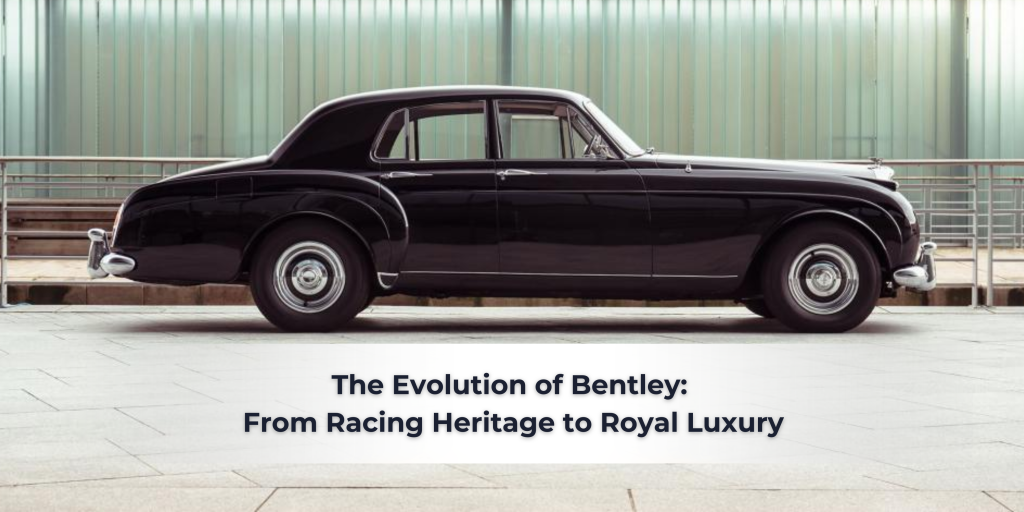
Bentley began as W.O. Bentley’s engineering dream in 1919 and became world-famous through endurance racing, coachbuilt luxury, and hand-crafted craftsmanship. A series of pivotal moments-five Le Mans victories in the 1920s, the Rolls-Royce era, the Volkswagen-era revival, the Continental GT renaissance, and the recent Beyond100 electrification push-transformed Bentley from a racing marque into one of the most prestigious luxury car brands on the planet.
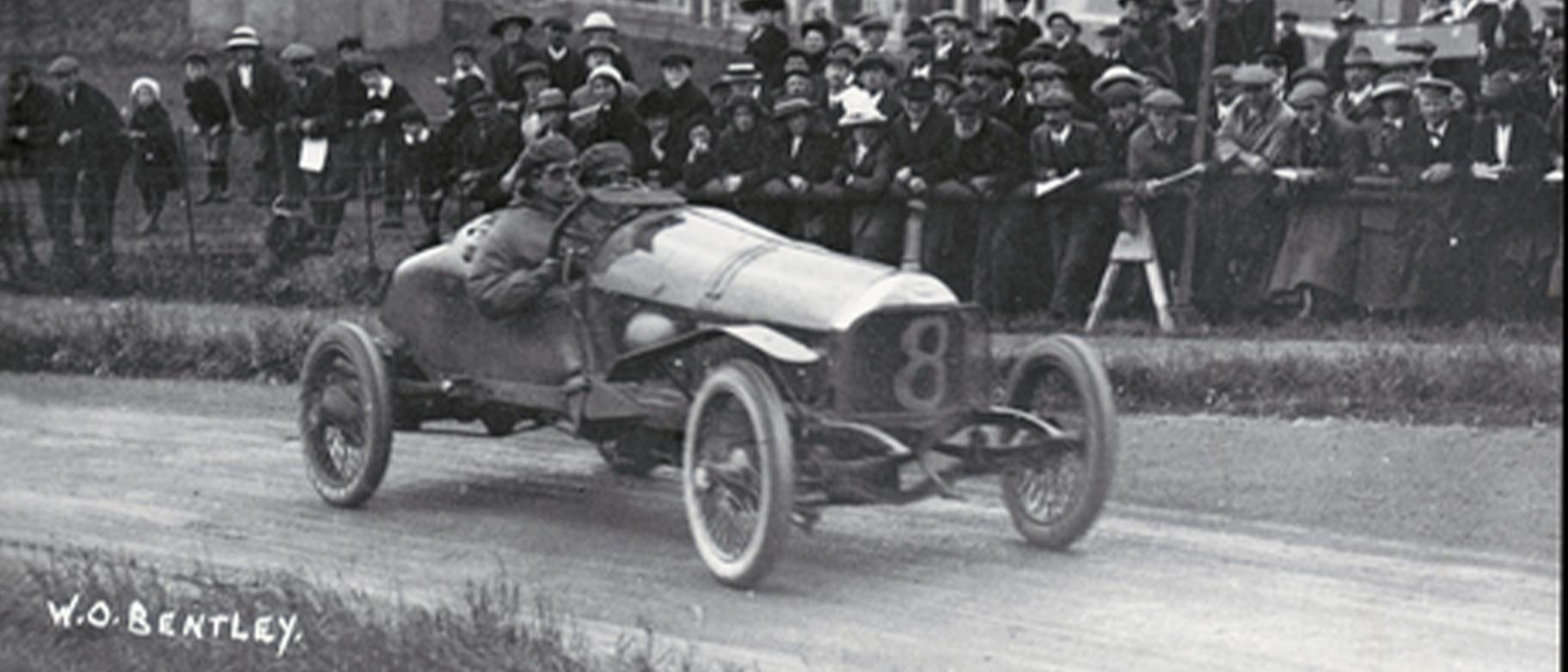
A Legend is Born: W.O. Bentley and the Racing Roots (1919-1931)
Walter Owen “W.O.” Bentley founded Bentley Motors in January 1919 with a simple obsession: build fast, reliable engines. That engineering-first ethos produced the Bentley 3-Litre and a string of competitive racing cars in the 1920s. What cemented Bentley’s legend was endurance racing-most famously the gruelling 24 Hours of Le Mans.
The “Bentley Boys” and their factory- and privateer-run cars won Le Mans five times during the 1920s (1924, 1927, 1928, 1929, 1930), creating the brand’s DNA of performance married to durability. Those early victories gave Bentley cultural cachet well beyond the showroom.
Survival, Merger, and New Chapters (1931-1960s)
The Great Depression and economic pressures forced Bentley into a new era: in 1931, the company was acquired by Rolls-Royce. Under Rolls-Royce ownership, Bentley’s identity shifted-many Bentleys were rebadged Rolls-Royces, sharing coachwork and luxury standards while retaining subtle engineering differences.
Post-World War II, Crewe became the heart of Bentley manufacturing, laying the foundations for future craftsmanship practices that still define the brand’s ateliers today.
Craftsmanship and the Coachbuilt Era (1950s-1990s)
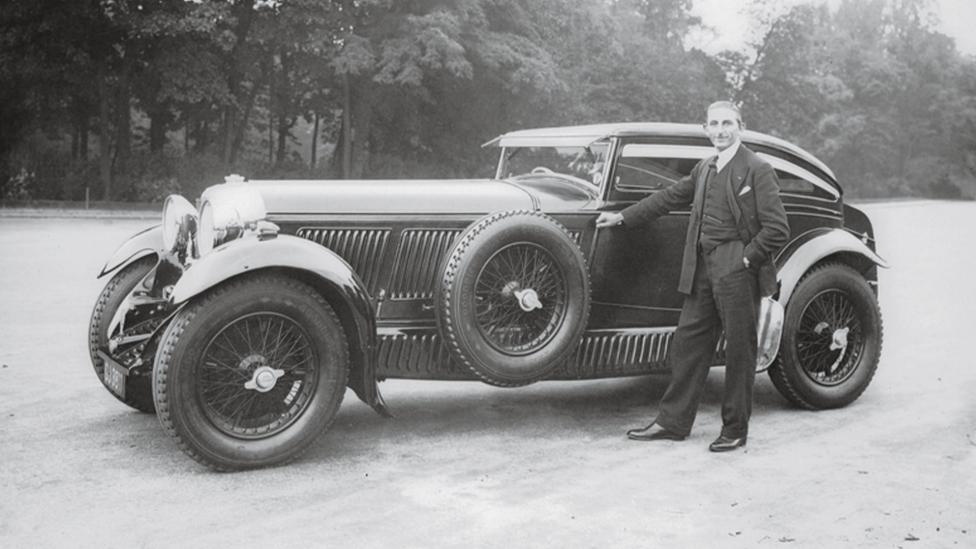
Through the mid-20th century, Bentley remained associated with bespoke coachbuilding and measured luxury-hand-stitched leather, veneered wood, and painstaking assembly. The marque adapted as tastes changed: while racing dropped out of daily headlines, Bentley’s reputation for aristocratic luxury and high craftsmanship deepened. The Crewe workforce-skilled in leather-working, wood inlay, and metal finishing-became an asset Bentley would lean on for decades.
The Volkswagen Takeover and the Continental GT Renaissance (1998-2010s)
A seismic turning point arrived in 1998 when the Volkswagen Group acquired Bentley. VW’s investment (hundreds of millions of pounds) modernised the Crewe factory, expanded capacity and funded new engineering programmes. The result: Bentley returned to global relevance with cars that married heritage with modern engineering.
The 2003 Continental GT was arguably the most important car of the modern era. Engineered and built in Crewe, it combined a stout W12 engine, contemporary production quality and a new, accessible Bentley experience-delivering both performance and craft in a package that attracted new buyers and revived demand across global markets. VW’s capital and platform engineering were decisive in transforming Bentley from a low-volume coachbuilder to a viable global luxury manufacturer.
SUVs and Bespoke Luxury: The Mulliner Portfolio Expansion (2015-2020)
Bentley’s next major strategic leap was diversification. The Bentayga (launched mid-2010s) entered the luxury SUV space and proved that Bentley’s craftsmanship could succeed off-road and in big-ticket segments. Meanwhile, Mulliner-Bentley’s historic bespoke division expanded, offering increasing levels of personalisation: unique interiors, one-off finishes, coachbuilt commissions, and ultra-luxury editions. These moves protected Bentley’s exclusivity while broadening its customer base.
Motorsport, Craftsmanship, and Cultural Moments (2000s-2020s)
Bentley never fully abandoned its sporting soul. The brand staged motorsport returns (GT3 programmes, historic racing celebrations) while continuing to showcase artisan skills-hand-fitted interiors, Mulliner coachwork, and one-off commissions for collectors and royalty. Notably, Bentley crafted the official State Limousine for Queen Elizabeth II in 2002 for her Golden Jubilee unmistakable cultural endorsement of the marque’s standing in global prestige circles.
Sustainability and Electrification: Beyond100+ (2020-2027+)
Recognising changing regulations and buyer expectations, Bentley launched the Beyond100 sustainability manifesto in 2020-pledging to become the world’s most sustainable luxury automotive brand. That strategy was extended and updated as Beyond100+, with a confirmed roadmap to electrification: Bentley has committed to the global debut of its first fully electric model, Luxury Urban SUV-in late 2026, with customer deliveries starting in 2027. This transition seeks to translate Bentley’s handcrafted, low-volume luxury into an electrified era without sacrificing exclusivity.
Note: The target for an exclusively electric lineup has been extended beyond 2035 to meet sustained demand for hybrid models.
Design Language and Technical Innovation: Marrying Tradition with Modernity
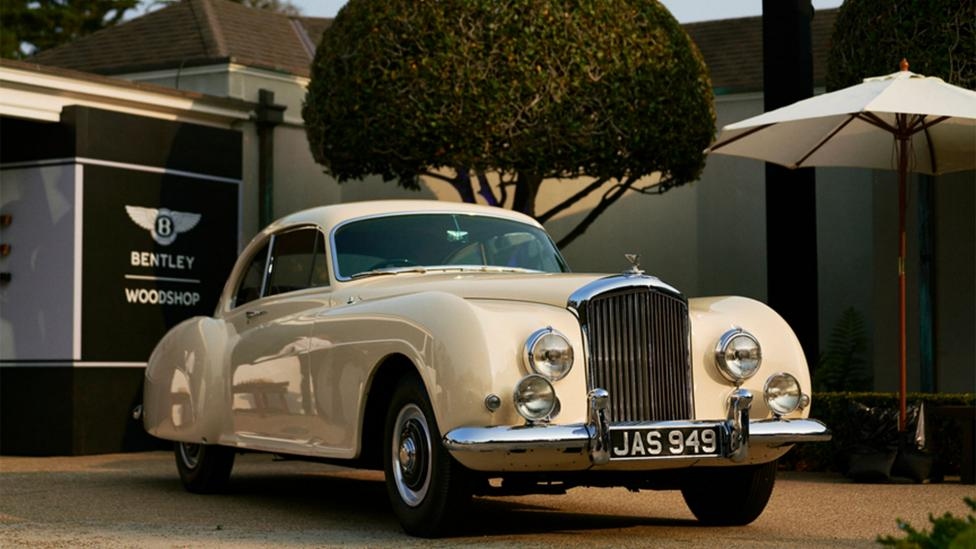
Across its recent decades, Bentley has maintained a deliberate balance: modern platforms and turbocharged (and in some cases hybrid) drivetrains combined with centuries-old craft skills. The Crewe factory became a workshop where body-in-white engineering met artisanal finish. Innovations such as high-performance W12 engines, adaptive air suspensions tuned for the “Magic Carpet Ride,” and advanced infotainment integrated with hand-crafted interiors made Bentley’s cars technically excellent while feeling bespoke. These twin pillars-advanced engineering and artisanal finishing-are the brand’s distinctive offer.
Timeline – Pivotal Milestones at a Glance
| Year | Milestone | Significance |
| 1919 | W.O. Bentley founded Bentley Motors | Birth of the brand and engineering-first ethos. |
| 1924-1930 | Five Le Mans victories and the Bentley Boys era | Established sporting and endurance credentials. |
| 1931 | Merger with Rolls-Royce | Survival and shift toward coachbuilt luxury. |
| 1998 | Volkswagen Group acquisition | Modern investment, factory upgrade, and global revival. |
| 2003 | Launch of Continental GT | A mass-appeal, modern Bentley that revived global demand. |
| 2015 | Launch of Bentayga | Successful luxury SUV entry that broadened the market. |
| 2020 | Beyond100 sustainability manifesto | Public commitment to sustainable luxury and electrification. |
| 2026 | Global Debut of First EV (Luxury Urban SUV) | Roadmap to electrify and launch a new all-electric segment. |
Bentley Today: Scale, Exclusivity, and Market Positioning
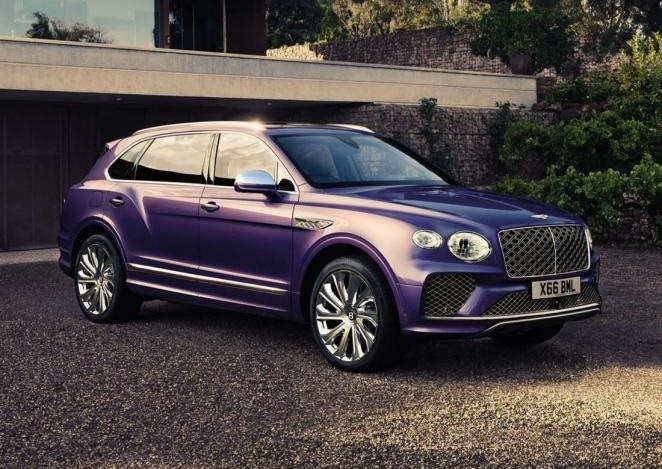
Under Volkswagen Group stewardship, Bentley expanded capacity but preserved its low-volume, high-margin model. Investment modernised Crewe, increased annual capacity and allowed Bentley to price and position its cars as modern luxuries-hand-finished, technologically advanced, and culturally aspirational. The brand now competes in high-margin segments (grand tourers, luxury sedans, premium SUVs) and cultivates customers who prize both engineering and craft.
Challenges and the Future: Keeping Exclusivity While Scaling Sustainability
Bentley faces the dual challenge all legacy luxury marques confront: electrify production and preserve craft. EVs change packaging, acoustic profiles, and even the tactile experiences buyers expect. Bentley’s strategy-Beyond100+-is explicit: reimagine materials, supply chains, and manufacturing to deliver sustainable luxury. Execution risks remain (capital intensity, market shifts, changing buyer demographics), but Bentley’s investments in Crewe, Mulliner capabilities, and its strategic roadmap give it a credible path to retain its place at the summit of automotive luxury.
Why Bentley Still Matters to Luxury Buyers and Culture
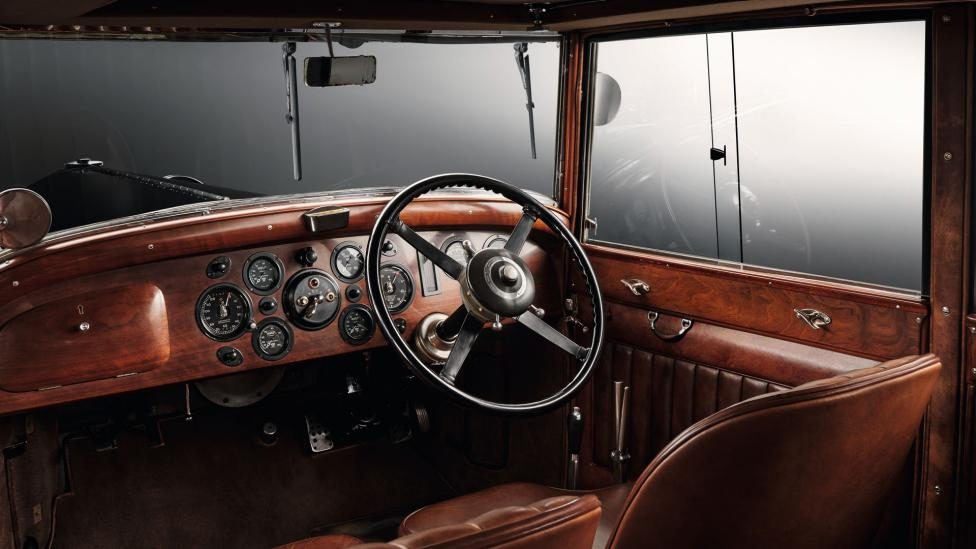
Bentley’s journey matters because it demonstrates how a brand can evolve without losing its soul. From racing to royalty, from W.O.’s petrol-fired engines to 2027 electric ambitions, Bentley has been a mirror of the changing definitions of greatness in cars: speed, craftsmanship, exclusivity and, now, sustainability. For buyers seeking a craft story plus modern technology, Bentley offers both a tangible lineage and a future roadmap.
Final Thoughts – Heritage as a Launching Pad, Not an Anchor
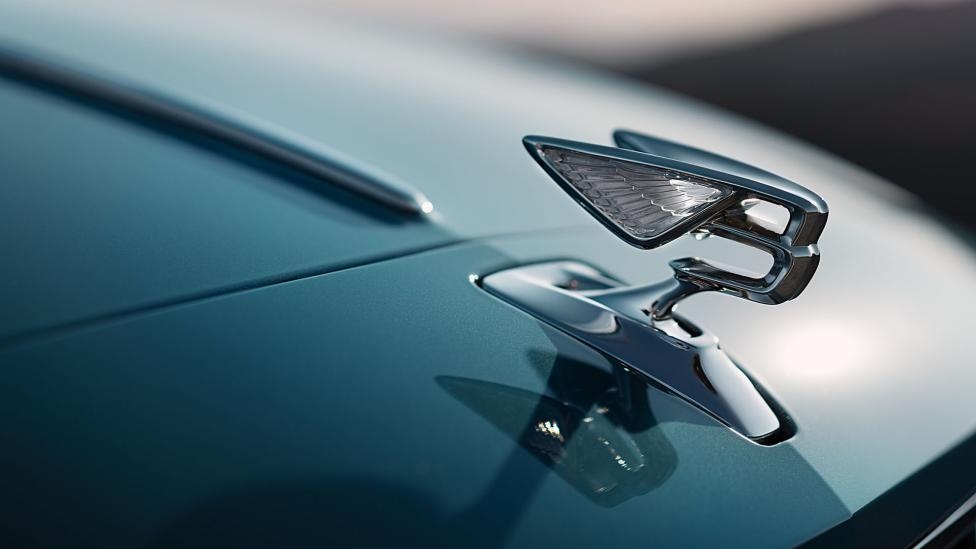
Bentley’s history is one of reinvention. Racing laurels built its early prestige; Rolls-Royce-era luxury preserved its cachet; Volkswagen-era investment reimagined its product reach; and Beyond100+ positions the brand for a low-emission future. The challenge ahead is to carry the brand’s artisanal soul into an electrified, sustainability-focused market-something Bentley is explicitly planning for with its late-2026 EV debut and multi-decade roadmap. If it succeeds, Bentley will have shown that true luxury is both craft and conscience.
Follow Motozite for more such captivating stories, and immerse yourself in a wide range of insightful content that explores the craftsmanship, innovation, and exclusive experiences behind today’s finest luxury automobiles.
