
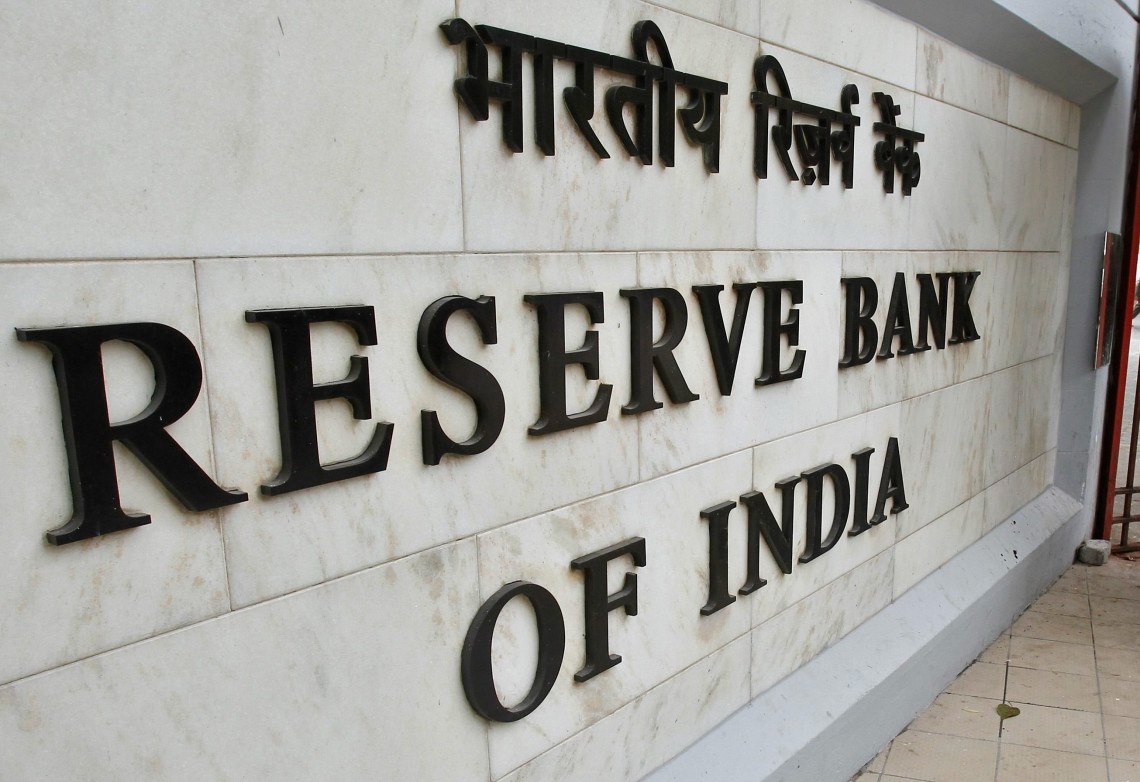
The Reserve Bank of India (RBI) has made a decisive move to bolster economic momentum. In its December 2025 policy review, the RBI trimmed the repo rate by 25 basis points (bps) to 5.25%. This follows a series of reductions throughout the year-totalling a 125 bps cut in 2025-aimed at supporting a “Goldilocks phase” of high growth and low inflation.

While these macro trends impact the entire economy, the luxury automobile segment stands as one of the most sensitive to these shifts. With borrowing costs at their lowest in years, the premium car market is poised for a significant rebound heading into 2026.
What the 2025 RBI Rate Cuts Mean for Auto Loans
When the RBI reduces the repo rate, it lowers the cost of funds for banks. Under the External Benchmark Lending Rate (EBLR) framework, these cuts often translate quickly into lower interest rates for consumers.
Key Transmission Channels:
- Reduced EMIs: For a luxury car loan of ₹50 lakh to ₹1 crore, even a 1% drop in interest rates results in savings of thousands of rupees per month.
- Enhanced Liquidity: Lower rates encourage Non-Banking Financial Companies (NBFCs), which fund a large portion of luxury sales, to offer more aggressive financing schemes.
- Shift in Real Interest Rates: With inflation hovering near 2% in late 2025, the real cost of borrowing is becoming more attractive, prompting “on-the-fence” buyers to commit.
Why Luxury Cars Are Uniquely Sensitive to Rates
It’s a common misconception that luxury buyers pay only in cash. In reality, 70-80% of luxury car purchases in India involve financing for tax benefits (depreciation) and liquidity management.
- High Ticket Size: Because the principal amount is high, the absolute “interest savings” over a 5-year tenure are substantial compared to mass-market cars.
- Corporate Leasing: Many luxury cars are registered under companies. Lower interest rates make leasing structures more tax-efficient and balance-sheet friendly.
- Upgrade Cycles: Lower EMIs allow buyers in the “Executive” segment (e.g., Toyota Camry or Skoda Superb) to comfortably bridge the gap to “Luxury” entries like the BMW 3 Series or Mercedes-Benz C-Class.
Industry Sentiment: A Dual Boost from Monetary & Fiscal Policy
The timing of the RBI’s move is perfect. It complements the GST 2.0 reforms introduced in September 2025, which rationalized taxes on luxury vehicles from the previous 43-50% bracket down to a unified 40%.
“The 25 bps rate cut, coupled with the income-tax relief from the Union Budget 2025-26 and GST 2.0, creates a powerful synergy for affordability,” notes Shailesh Chandra, President of SIAM.
Industry leaders from Mercedes-Benz, BMW, and Audi report that while early 2025 was muted due to geopolitical shifts, the year-end rate cuts have triggered a “spurt in queries” and a strong festive season performance.
The EV & Hybrid Factor
The luxury segment is leading India’s green transition, with EV penetration reaching nearly 11% in the premium space.
- Cheaper Green Loans: Many banks offer “Green Car Loans” at an additional 0.25% discount. Combined with the new repo rate of 5.25%, financing a luxury EV (like the Audi e-tron or BMW iX) is now more affordable than ever.
- Hybrid Momentum: 2025 has seen a massive surge in Hybrid preference. Lower interest rates help offset the slightly higher upfront cost of hybrid technology compared to pure petrol models.
Urban vs. Tier-2 Demand
- Metros: Mumbai, Delhi-NCR, and Bengaluru remain the primary volume drivers, where corporate professionals are the first to capitalize on EBLR-linked loan reductions.
- The “Aspirational” Surge: In Tier-2 cities like Chandigarh, Ahmedabad, and Pune, the combination of lower rates and the “status symbol” of luxury brands is driving a new wave of first-time luxury buyers.
Conclusion: A Tailwind for 2026
The RBI’s rate cut is the final piece of the puzzle for a luxury car market recovery. By making capital cheaper and boosting consumer confidence, the stage is set for a record-breaking 2026.
For buyers, the message is clear: The cost of aspiration just went down. If you have been waiting to upgrade your garage, the current alignment of low interest rates and revised GST norms makes this perhaps the best time in the last five years to invest in a luxury vehicle.
Want to stay ahead of market shifts and automotive trends that matter? Follow Motozite for in-depth insights, data-backed analysis, and expert takes on the future of luxury mobility.