
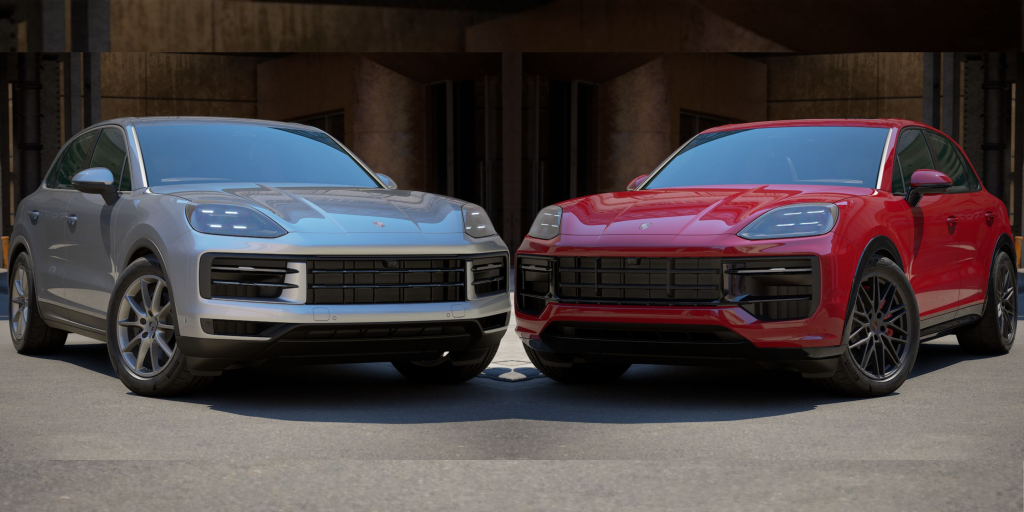
Introduction: Two Faces of the Porsche Cayenne
The Porsche Cayenne has long been the most versatile model in the brand lineup, successfully combining sports car DNA with everyday usability and luxury SUV comfort. Since its inception, it has challenged the notion that a high-riding vehicle cannot handle like a true performance machine. However, within the current Cayenne range, two specific variants cater to very distinct buyer mindsets: the standard Porsche Cayenne and the performance-bred Porsche Cayenne GTS.
While both models share a core engineering philosophy and the unmistakable Porsche silhouette, the GTS is tuned to deliver a far more aggressive, track-inspired experience. The standard model, conversely, is designed to be the ultimate all-rounder. This comprehensive comparison breaks down the key differences between the Porsche Cayenne vs Cayenne GTS, covering technical specifications, engine performance, ride quality, and long-term ownership appeal using the latest official industry data.
Porsche Cayenne vs Cayenne GTS: Positioning and Buyer Intent


- Everyday Luxury vs. Performance Focus: The standard Cayenne is engineered as a balance of refinement and versatility. It is designed for the driver who wants Porsche prestige and dynamics without sacrificing a soft, compliant ride. The GTS (Gran Turismo Sport) sits in a sweet spot of the lineup, acting as a bridge between the balanced base model and the extreme, track-oriented Turbo variants.
- Driving Character and Feedback: The Cayenne is comfortable and composed, leaning toward a relaxed touring experience. The GTS is noticeably more vocal and tactile, offering more feedback through the steering wheel and a chassis that feels significantly more “alive” during high-speed cornering.
- The Target Buyer: The standard model is the perfect choice for luxury SUV owners seeking a premium daily driver for family duties or executive travel. The GTS is designed for driving enthusiasts who prioritize mechanical soul, V8 power, and a sports car feel in a practical SUV body.
Engine and Performance Comparison
Porsche Cayenne (Standard)
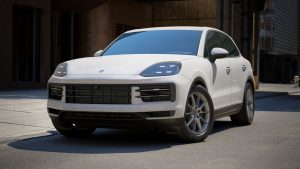
- Engine Architecture: 3.0 litre V6 turbocharged petrol.
- Power Output: 353 PS (348 hp).
- Torque Profile: 500 Nm, delivered low in the rev range for effortless overtaking.
- Acceleration: 0 to 100 km/h in 6.0 seconds (reduced to 5.7 seconds with the optional Sport Chrono Package).
- Top Speed: 248 km/h.
The standard Cayenne prioritizes smooth, linear power delivery. It is engineered for efficiency and quiet operation, making it the ideal choice for long-distance cruising. The V6 engine provides more than enough punch for highway merging and city driving while maintaining a sophisticated, understated demeanor.
Porsche Cayenne GTS

- Engine Architecture: 4.0 litre V8 twin-turbocharged petrol.
- Power Output: 500 PS (493 hp).
- Torque Profile: 660 Nm, providing massive mid-range thrust.
- Acceleration: 0 to 100 km/h in a staggering 4.4 seconds (with the standard Sport Chrono Package).
- Top Speed: 275 km/h.
The Cayenne GTS offers a massive jump in raw performance. The heart of the GTS is its V8 engine, which not only provides explosive acceleration but also features a specially tuned sport exhaust system. This setup delivers a deep, resonant growl that fundamentally changes the character of the vehicle, making every drive feel like an event.
Ride and Suspension: Comfort vs Sport
Porsche Cayenne
- Standard Suspension: Steel spring suspension is the default, providing a highly compliant and stable ride that handles bumps with ease.
- Adaptive Features: While it is the entry model, it still benefits from Porsche Active Suspension Management (PASM) to adjust damping based on road conditions.
- Terrain Capability: This model is superior for those who frequently deal with poor road surfaces or light off-road trails, as the suspension tuning is designed to absorb impact rather than transmit it to the cabin.
Porsche Cayenne GTS
- Sport-Tuned Air Suspension: The GTS comes standard with a dual-chamber adaptive air suspension system that has been lowered by 10 mm compared to the standard model.
- Advanced Handling Tech: It incorporates pivot bearings from the range-topping Turbo GT, which increases negative camber. This technical adjustment allows the tires to maintain better contact with the road during hard cornering.
- Active Roll Stabilization: The GTS is often equipped with stiffer anti-roll bars to ensure the vehicle remains flat and composed, even when pushed to its limits on twisty mountain roads.
Key Difference: The GTS sacrifices a degree of ride softness to achieve incredible precision and driver feedback. While the standard Cayenne is the benchmark for luxury SUV ride comfort, the GTS is the benchmark for SUV agility.
Design and Exterior Differences
- Aesthetic Philosophy: The standard Cayenne features clean, elegant SUV lines with subtle sport cues. It is designed to look at home in a corporate parking lot or at a high-end hotel.
- The GTS SportDesign Package: The GTS includes the SportDesign package as standard, which replaces body-colored or chrome trim with high-gloss black accents. This includes darkened headlamps, tinted tail lights, and blacked-out exhaust tips.
- Wheel and Stance: The GTS usually sits on larger 21-inch or 22-inch RS Spyder Design wheels. Because of the lowered suspension and wider wheel arches, it possesses a much more planted and intimidating road presence than the standard model.
Interior and Cabin Experience
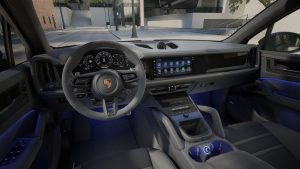
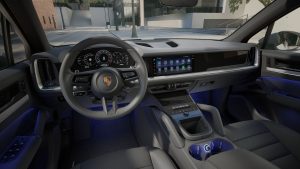
- Seating and Ergonomics: The standard model features 14-way or 18-way comfort-focused leather seats. The GTS, however, comes with 8-way sport seats designed with high side bolsters to hold passengers in place during spirited driving.
- Premium Materials: While the standard Cayenne uses high-quality leather and wood or aluminum trim, the GTS leans heavily into performance materials. This includes extensive use of Race-Tex (a high-quality microfiber) on the roof lining, armrests, and seat centers.
- The GTS Interior Package: Buyers of the GTS can opt for contrast stitching in Carmine Red or Chalk, along with GTS embroidery on the headrests, creating a cabin ambience that feels significantly more exclusive and sporty.
Safety and Technology Integration
Both variants benefit from the latest Porsche Driver Experience, which includes a fully digital curved instrument cluster and a passenger-side display option. Standard safety features include:
- Collision Mitigation: Advanced systems like Warn and Brake Assist with pedestrian and cyclist detection.
- Vision Systems: Matrix LED headlights are frequently standard or available, providing exceptional night-time visibility without blinding oncoming traffic.
- Performance Tech: The GTS takes technology a step further by including Porsche Torque Vectoring Plus (PTV Plus). This system uses a variable-torque distribution on the rear wheels and an electronically controlled rear differential lock to improve traction and stability.
Ownership and Practicality: Which One Fits Your Life?
Choose the Porsche Cayenne if:
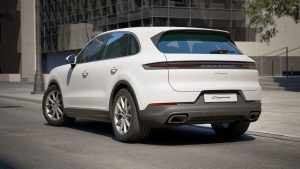
- You require a sophisticated luxury SUV for daily family duties and school runs.
- Long-distance ride refinement and fuel efficiency are higher priorities than track-day performance.
- You prefer an understated luxury aesthetic that does not draw excessive attention.
Choose the Porsche Cayenne GTS if:
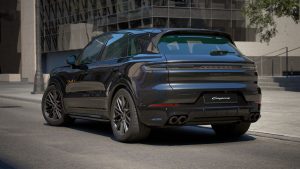
- You want the visceral power and auditory soul of a twin-turbo V8 engine.
- You enjoy the technical aspects of driving and want a vehicle that encourages active engagement on every journey.
- You want a “turn-key” performance SUV that comes standard with the most desirable handling and styling upgrades.
Conclusion: Which Cayenne Is Right for You?
The decision between the Porsche Cayenne vs Cayenne GTS ultimately depends on how you intend to spend your time behind the wheel. The standard Cayenne is a masterfully engineered, well-rounded SUV that fits seamlessly into a high-end daily routine, offering plenty of power without ever feeling high-strung. On the other hand, the Cayenne GTS is built for those who refuse to compromise on driving dynamics. It is a vehicle that feels remarkably close to a dedicated sports car while retaining the five-passenger utility of a world-class hauler. Both represent the pinnacle of German engineering, but they serve two very different types of drivers.
For more deep dives into automotive performance, the latest luxury car trends, and expert comparisons across the industry, follow Motozite. We provide the comprehensive analysis and expert insights you need to make the right choice for your next premium vehicle.