
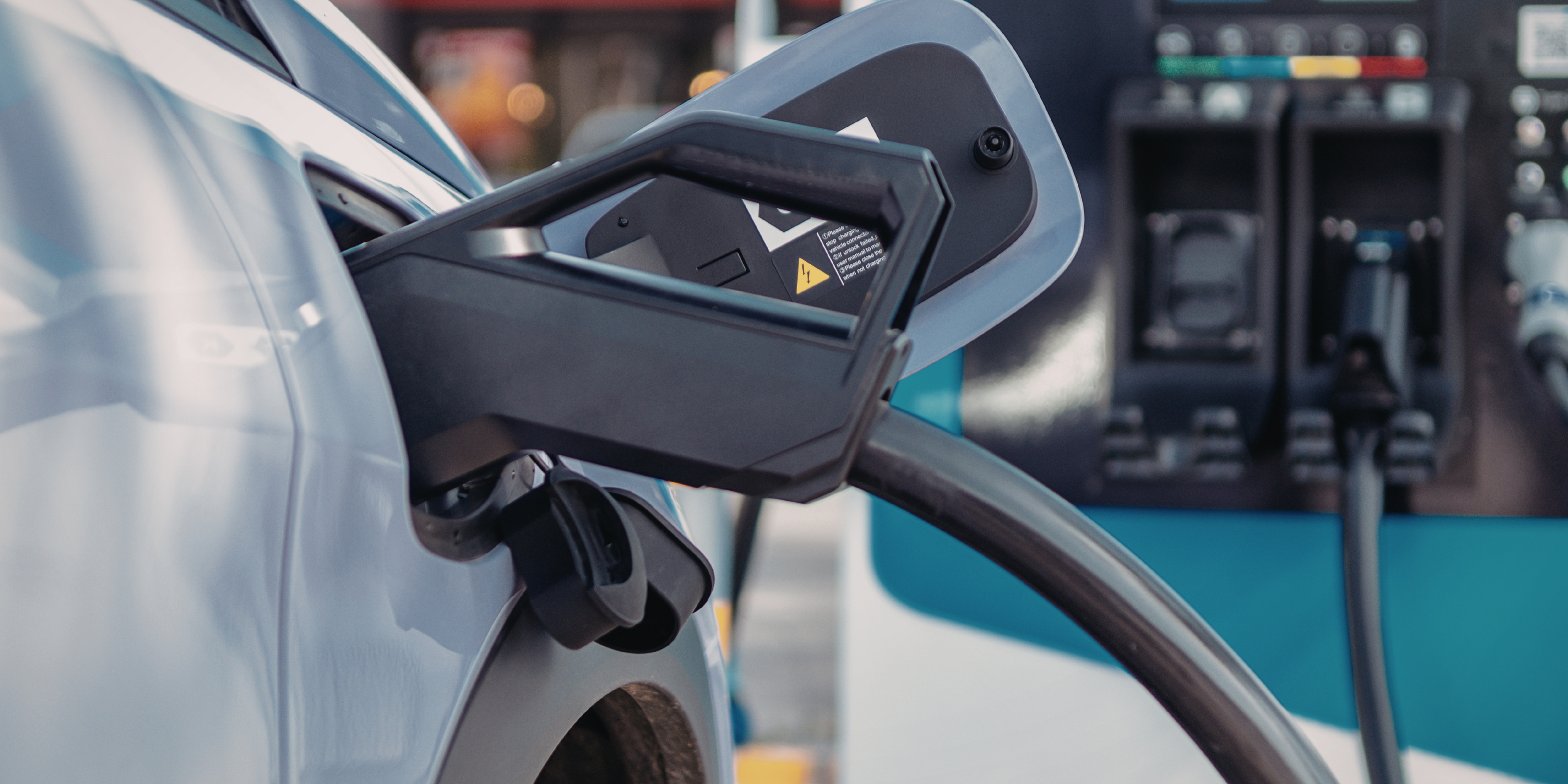
India’s electric vehicle (EV) landscape is rapidly evolving-and one of the biggest developments making headlines is Mercedes-Benz India’s plan to launch a new, unified EV charging ecosystem. Announced at the ETAuto EV Conclave 2025, this initiative is designed to remove fragmentation in the current infrastructure and set a new benchmark for convenience for luxury EV buyers.
In this blog, we explore what this ecosystem launch means for electric mobility in India, focusing on luxury demand, charging accessibility, and the shift toward software-defined vehicles.
Why a Mercedes EV Charging Ecosystem Matters
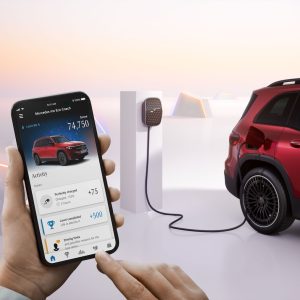
The primary goal of this ecosystem is to solve the “fragmentation” problem. Currently, EV owners must juggle multiple apps, payment gateways, and varying plug standards. Mercedes-Benz India’s unified platform will:
- Integrate multiple charging networks into one streamlined digital interface.
- Provide real-time availability and reliability data.
- Offer a single payment gateway to eliminate “app fatigue.”
Crucially, this rollout will precede the highly anticipated launch of the next-generation Mercedes-Benz CLA EV, signaling that the brand is building the “rails” before the train arrives.
What the New Charging Ecosystem Will Offer
According to Santosh Iyer, MD & CEO of Mercedes-Benz India:
- Unified Charging Access: A single interface where users can find, use, and pay for charging across different providers without switching apps.
- Addressing the “Software-Defined Vehicle” (SDV): Mercedes emphasizes that the future of luxury is digital. This ecosystem is a key component of their SDV strategy, where software optimizes charging speeds and predicts stops based on driving behavior.
- Reliability Over Quantity: Instead of just adding more plugs, the focus is on uptime and speed, ensuring that DC fast chargers are functional and accessible.
Context: Why Infrastructure Still Matters in India

While the charging network in India has grown by over 200% in the last two years, it remains highly fragmented, especially in peri-urban areas and along national highways.
“India is in the early stages of an EV revolution, similar to the scale of the Green Revolution,” says Santosh Iyer.
By closing the “reliability gap,” Mercedes aims to bolster confidence among buyers in the Top-End Luxury (TEL) segment, where the expectation for a seamless “plug-and-play” experience is paramount.
How This Helps Luxury EV Customers
- Ultra-Fast DC Charging: The ecosystem prioritizes high-capacity chargers (180kW and above) to ensure minimal downtime for cars like the EQS and EQE.
- Cross-Brand Inclusivity: Mercedes has confirmed that its fast-charging network is open to all brands, helping the entire industry scale rather than creating a closed “walled garden.”
- Enhanced Residual Value: By introducing “Battery Health Certificates” alongside this ecosystem, Mercedes is tackling concerns regarding the resale value of luxury EVs.
EV Adoption Trends: The ₹1.5 Crore+ Segment
The data shows a clear shift in consumer mindset:
- 20% Penetration: Nearly 1 in 5 Mercedes-Benz vehicles sold in India priced above ₹1.5 crore is now an EV.
- The Gen Z Influence: Sustainability is now a “competitive advantage” for younger luxury buyers (Gen Z and Alpha), who prioritize environmental impact alongside performance.
- Market Growth: Mercedes-Benz India reported a 73% YoY surge in EV sales in early 2025, significantly outpacing the mass-market EV growth rate.
Broader Industry Impact
Mercedes’ move is likely to trigger a “domino effect” across India’s automotive landscape:
- New Standards for OEMs: Competitors like Audi and BMW may feel increased pressure to offer similar unified digital solutions.
- Software Over Hardware: The industry is moving toward “Software-Driven Charging,” where the car and the charger communicate more intelligently to preserve battery life.
Final Thoughts: Toward Seamless Mobility
The launch of this unified ecosystem within the next 90 days represents a strategic pivot from “selling cars” to “providing a mobility service.” By solving the most significant pain points-payment hurdles and charger reliability-Mercedes-Benz is making a strong case for the electric future of luxury in India.
Follow Motozite for expert updates on EV infrastructure, luxury car launches, and the insights shaping India’s automotive future.
