
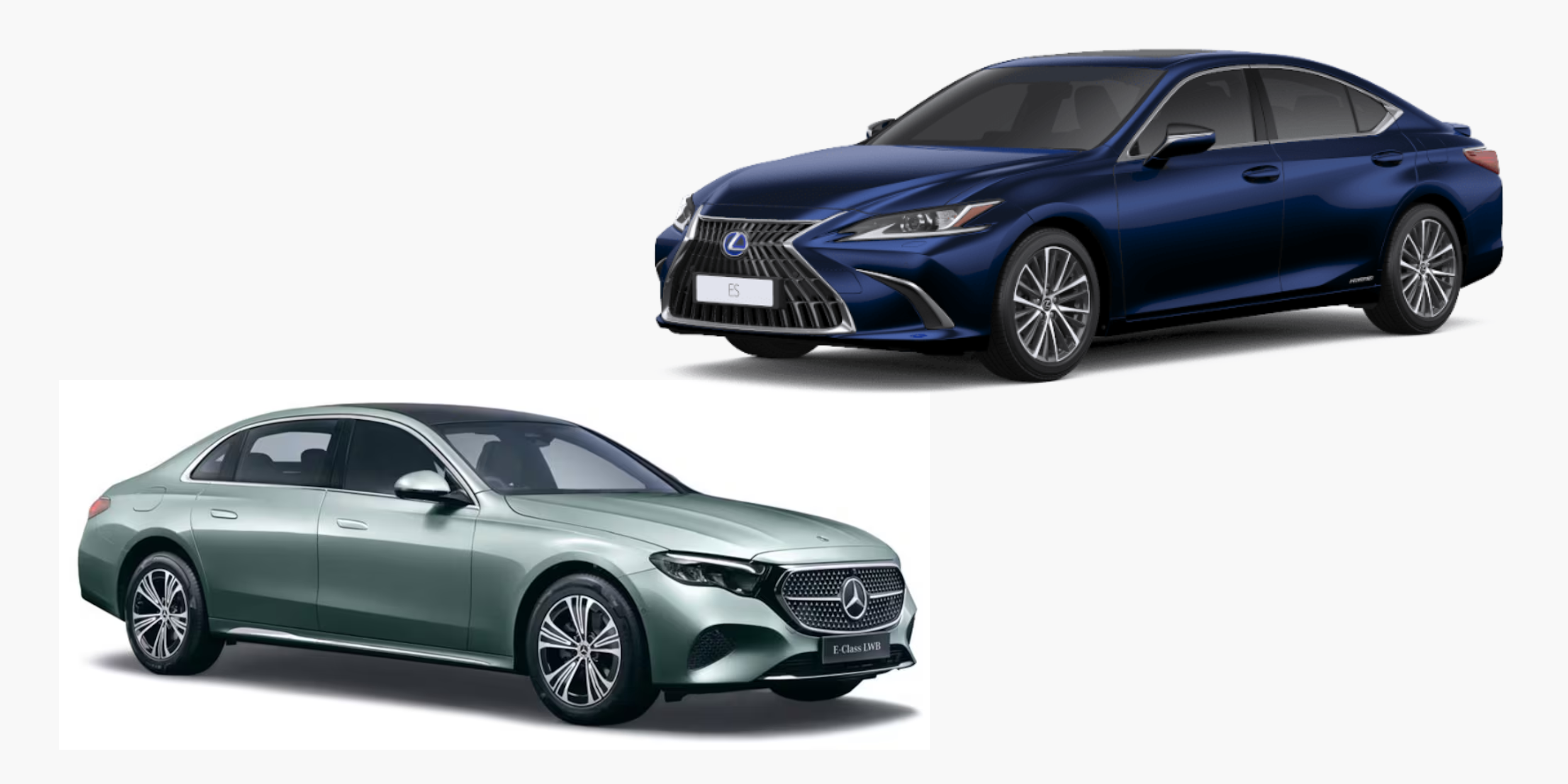
In India’s executive luxury sedan segment, two nameplates dominate conversations for very different reasons. The Lexus ES 300h (Hybrid) represents silent sophistication and long-term reliability, while the Mercedes-Benz E-Class (LWB) remains the gold standard for prestige, rear-seat comfort, and diesel punch.
This comparison uses updated 2026 OEM-specific data to help you decide whether a self-charging hybrid or a mild-hybrid diesel makes more sense for your lifestyle.
Overview: Lexus ES 300h (Hybrid)
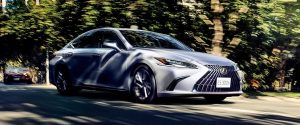
The 2026 Lexus ES continues to double down on the “Lexus Electrified” vision. It remains the only self-charging hybrid in its class, offering a unique blend of tax efficiency (in certain states) and environmental consciousness.
Lexus ES 300h Technical Specifications
- Engine: 2.5-litre, 4-cylinder petrol + High-output Electric Motor
- Combined Output: ~160 kW (214 hp) combined
- Torque: 221 Nm
- Transmission: e-CVT (Electronic Continuously Variable Transmission)
- 0–100 km/h: 8.1 to 8.5 seconds
- ARAI Mileage: ~22.5 km/l
Pro Tip: The Lexus ES hybrid system is “self-charging,” meaning it never needs to be plugged in. It captures energy through regenerative braking.
Overview: Mercedes-Benz E-Class E 220d (Diesel)
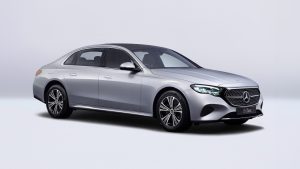
The 2026 Mercedes-Benz E-Class (V214) has grown longer and smarter. In India, it is sold exclusively in the Long Wheelbase (LWB) format, specifically targeting the chauffeur-driven executive.
Mercedes E-Class Diesel Technical Specifications
- Engine: 2.0-litre, 4-cylinder Turbocharged Diesel (OM654)
- Power: ~194 hp
- Torque: ~440 Nm
- Transmission: 9G-TRONIC (9-speed Automatic)
- 0–100 km/h: ~7.6 seconds
- ARAI Mileage: ~15–18 km/l
Key Comparisons: At a Glance
| Feature | Lexus ES 300h | Mercedes E-Class E 220d |
| Powertrain | Full Self-Charging Hybrid | Diesel with 48V Mild-Hybrid |
| Best For | City Refinement & Reliability | Highway Range & Status |
| Rear Seat | Power Reclining (Luxury Trim) | LWB with “Chauffeur Package” |
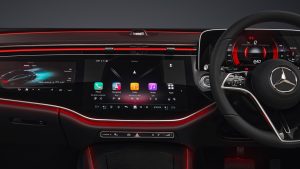
| Infotainment | 12.3-inch Touchscreen | MBUX Superscreen (up to 3 displays) |
| Warranty | 8-year Hybrid Battery Warranty | 3-year Standard (Extendable) |
Interior & Technology: The Battle of Screens
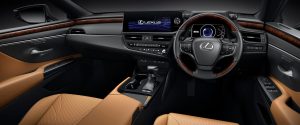
- Lexus ES: Focuses on “Omotenashi” (Japanese hospitality). It features a 12.3-inch display, a world-class 17-speaker Mark Levinson audio system, and semi-aniline leather. It’s a cabin designed to lower your heart rate.
- Mercedes E-Class: The new “Superscreen” layout dominates the dashboard. It features a dedicated passenger screen, 64-color ambient lighting, and the latest MBUX system with 5G connectivity and AI-driven “routines.”
Performance & Safety
- The Drive: The Lexus is front-wheel drive (FWD) and prioritized for a vibration-free ride. The Mercedes is rear-wheel drive (RWD), offering more engaging handling and a 9-speed gearbox that is far superior for high-speed overtakes.
- Safety: Both cars offer Level 2 ADAS. Lexus features the Lexus Safety System+, while Mercedes offers Active Distance Assist DISTRONIC and a segment-leading 8-airbag system (including a rear-seat side airbag).
Pricing & Value Proposition (India 2026)
- Lexus ES 300h: Generally priced between ₹64 Lakh – ₹72 Lakh (Ex-showroom). It offers lower running costs and higher reliability.
- Mercedes E-Class: Usually starts higher, ranging from ₹78 Lakh – ₹93 Lakh (Ex-showroom) for the diesel variants. You pay a premium for the “L” (Long Wheelbase) and the tech-heavy interior.
Final Verdict: Which should you buy?
Choose the Lexus ES Hybrid if:
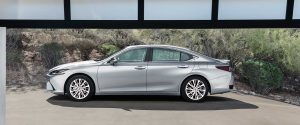
- 90% of your driving is in heavy city traffic (where the hybrid thrives).
- You plan to keep the car for 7+ years (Lexus reliability is legendary).
- You want a “Zen” cabin without overly complex technology.
Choose the Mercedes E-Class Diesel if:
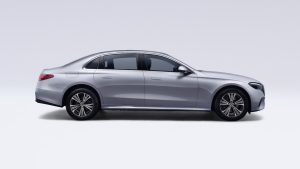
- You are primarily chauffeur-driven (the LWB legroom is unbeatable).
- You frequently travel between cities and need the $440\text{ Nm}$ of diesel torque.
- You want the highest “Road Presence” and the latest futuristic gadgets.
Want more in-depth comparisons and insights like this? Follow Motozite to keep reading detailed blogs that fuel your passion for cars.