
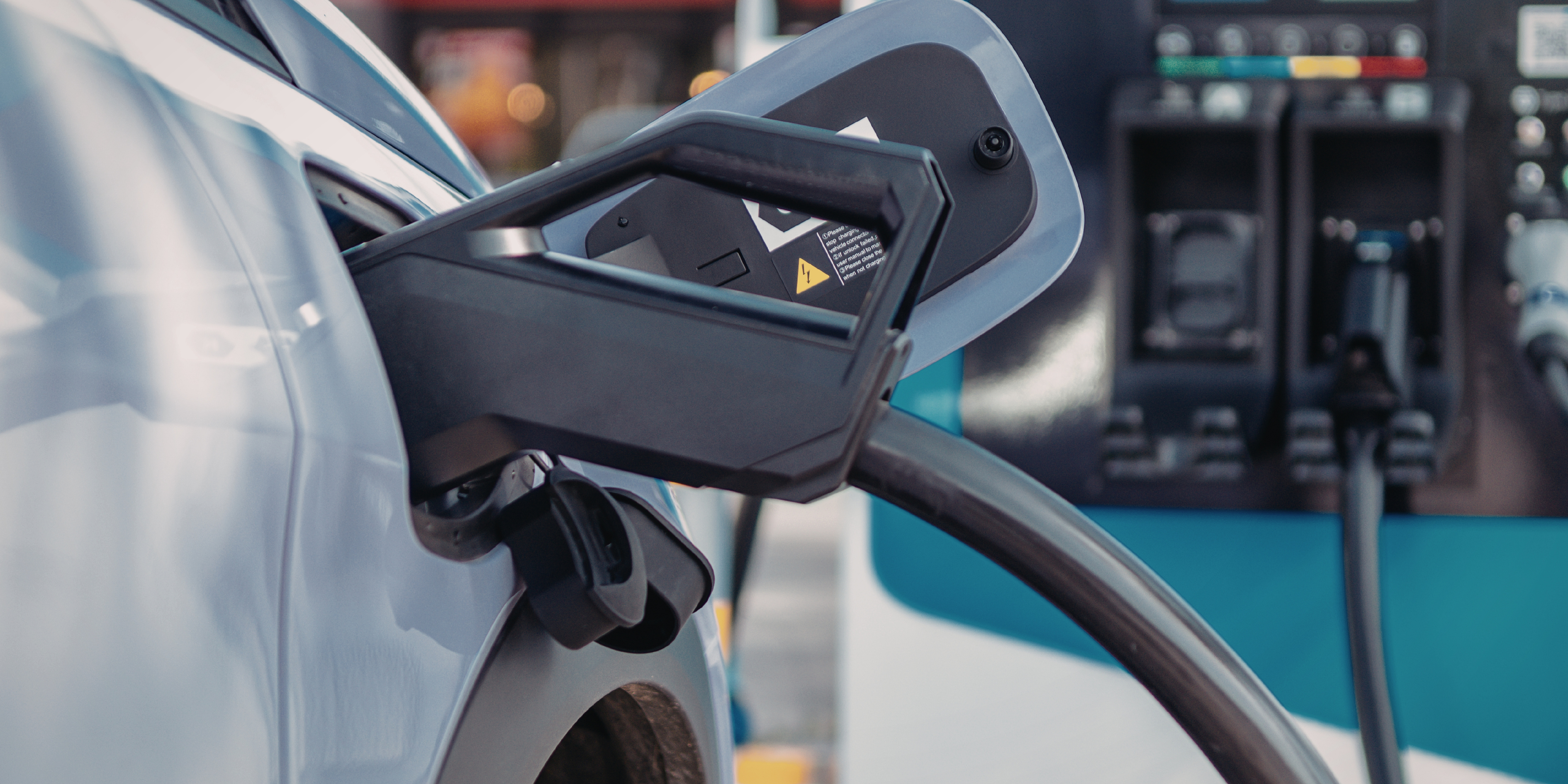
Luxury electric vehicles (EVs) in India are no longer experimental-they are aspirational, fast, and increasingly practical. But do they truly make financial sense in 2026? This guide breaks down the real pros, cons, ownership costs (₹/km), resale outlook, and buyer profiles to help you decide between electric and petrol/diesel luxury.
The Big Question Indian Luxury Buyers Are Asking
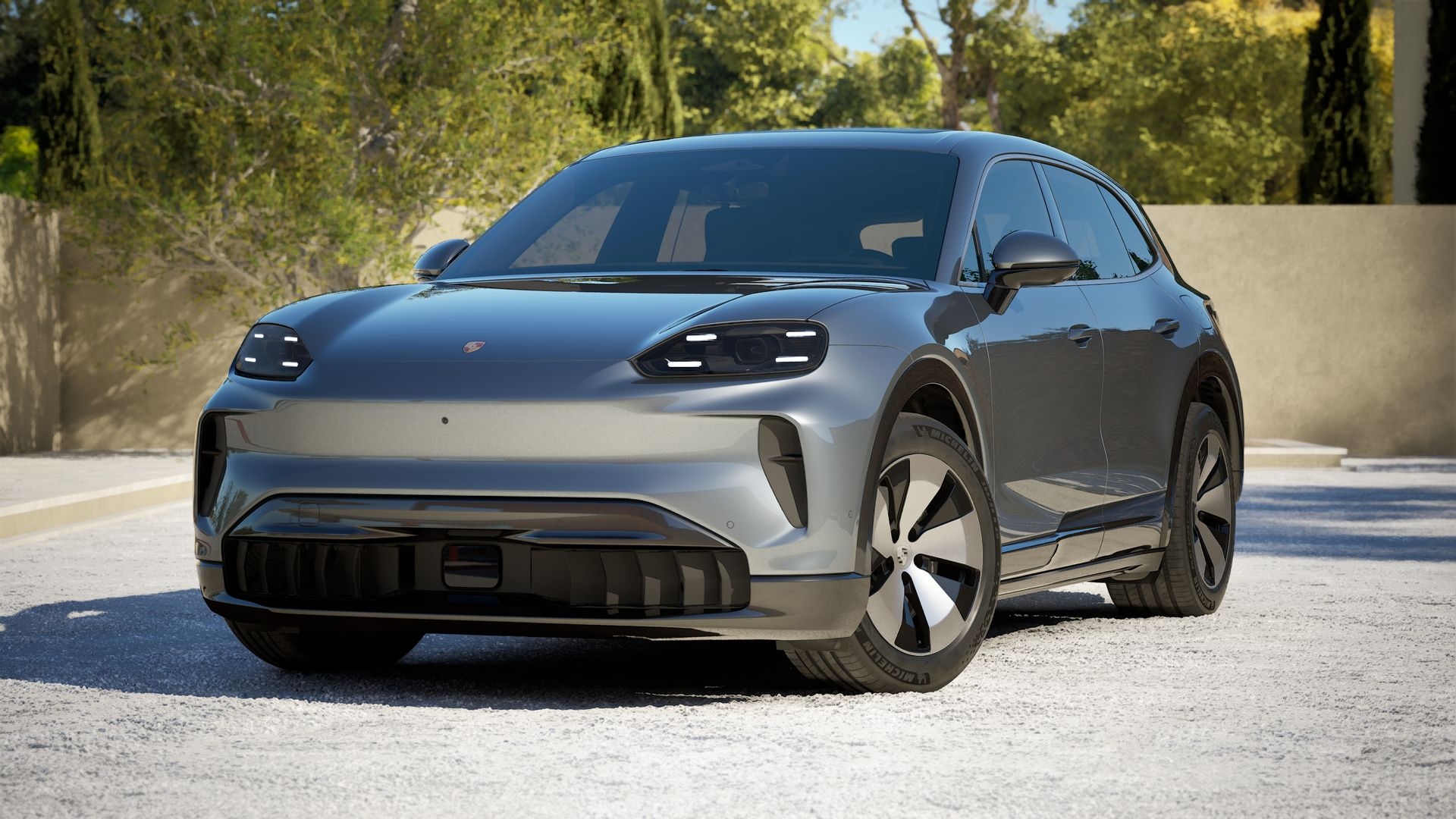
Five years ago, luxury EVs in India were a niche experiment. In 2025–2026, they are a mainstream power statement-from the Mercedes-Benz EQS and BMW i7 to the Audi e-tron and the newly launched Porsche Cayenne EV.
However, luxury EV ownership is not a one-size-fits-all decision. It depends on your city’s infrastructure, your driving patterns, and your typical “upgrade cycle.”
India’s Luxury EV Market: 2025–2026 Pulse Check
- Market Share: Luxury EV penetration is nearing 10–12% of total luxury car sales.
- The Hubs: Adoption remains highest in Delhi NCR, Mumbai, Bengaluru, and Hyderabad, where 100% road tax waivers often apply.
- Infrastructure: As of late 2025, India has over 29,000 public charging stations, though ultra-fast (150kW+) chargers are still primarily on major expressways.
- Tesla Factor: With Tesla finally entering the market (Model 3 and Model Y), price competition in the ₹60L–₹90L segment has intensified.
Pros of Buying a Luxury EV in India
1. Dramatically Lower Running Costs
The gap between electricity and premium fuel remains the strongest “math” argument for EVs.
| Vehicle Type | Cost Per KM (Approx.) | Monthly Cost (1,500 km) |
| Luxury EV | ₹1.2 – ₹1.8 | ₹2,250 |
| Diesel Luxury | ₹9 – ₹11 | ₹15,000 |
| Petrol Luxury | ₹12 – ₹15 | ₹20,000 |
2. Significant Tax Savings

- GST Benefit: EVs attract only 5% GST, whereas luxury ICE cars face 28% GST + up to 22% Compensation Cess (totaling ~50%).
- Road Tax: States like Delhi, Maharashtra, and Karnataka continue to offer near-100% road tax exemptions for EVs, saving you ₹8L–₹15L upfront on a ₹1.5 Cr car.
3. Superior Refinement & Maintenance
With no engine vibration and instant torque, the “luxury” feel of an EV is often superior to its ICE counterparts. Maintenance is roughly 30–40% cheaper over 5 years because there are no oil changes, spark plugs, or complex transmission services.
Cons: The Real-World Challenges
1. High Upfront Cost & “Tech-Shifting”
While running costs are low, the sticker price remains high.
- BMW i7: ~₹2.05 Crore+
- Mercedes EQS 580: ~₹1.30 Crore (Locally Assembled)
- Audi e-tron GT: ~₹1.70 Crore+
2. Resale Value Uncertainty
This is the biggest hurdle in 2025. Data shows luxury EVs currently depreciate 5–10% faster than their petrol/diesel counterparts.
Fact Check: A 3-year-old luxury EV typically retains 55–60% of its value, whereas a well-maintained Diesel SUV might retain 65–70%. Rapid battery tech evolution makes older models feel “dated” faster.
Ownership Maths: 5-Year Snapshot
| Cost Factor | Luxury EV | Petrol & Diesel | Diesel Luxury |
| Purchase Price | Highest | Medium | Medium |
| Registration (Tax) | Zero / Very Low | High | High |
| Fuel/Energy | Lowest | Highest -Petrol, High – Diesel | High |
| Maintenance | Low | High – Petrol, Medium – Diesel |
Medium |
| 5-Year TCO | Competitive | Highest -Petrol, High – Diesel | High |
Buyer Guide: Is It Time to Switch?
You SHOULD buy a luxury EV if:
- You reside in a Metro city with a dedicated home charging spot.
- You primarily use the car for city commutes or chauffeur-driven office runs.
- You plan to keep the car for at least 4–5 years to recoup the upfront premium.
- You want the latest tech (e.g., Mercedes Hyperscreen or BMW Theatre Screen).
You SHOULD WAIT if:
- You frequently travel to Tier-3 towns or remote areas with poor charging.
- You change your cars every 2 years (the high initial depreciation will hurt).
- You are an “engine purist” who misses the acoustic soul of a V8 or straight-six.
Final Verdict: 2026 Outlook
In 2026, a luxury EV is a “Yes” for the urban elite. The combination of 5% GST and near-zero running costs makes the Mercedes EQS or BMW iX a smarter financial choice than an S-Class or X7 for high-usage owners. However, for those with “range anxiety” or frequent cross-country trips, a Plug-in Hybrid (PHEV) or a modern Diesel remains the safer bet.
Thinking of making the switch?
Follow Motozite for expert EV comparisons, real-world range tests, and a curated list of certified pre-owned luxury EVs across India.