
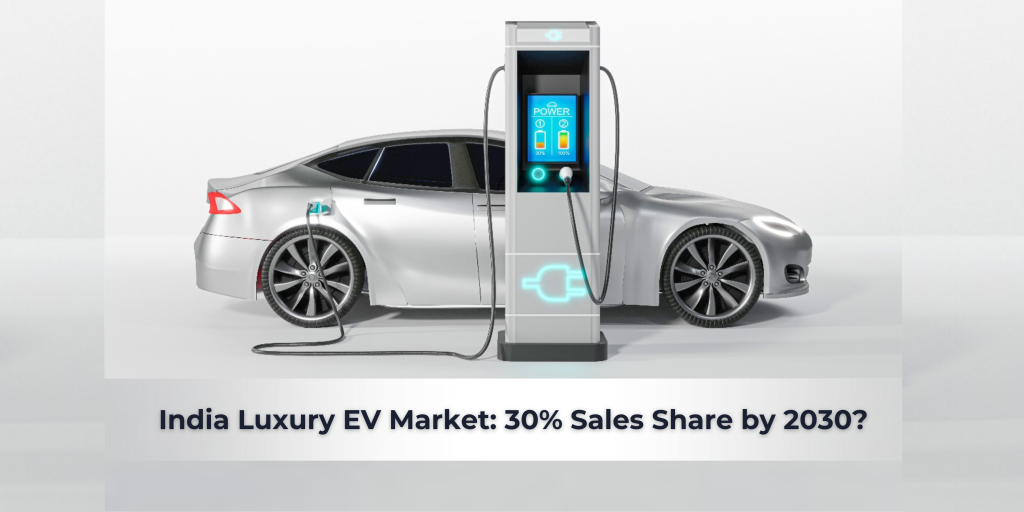
The electric revolution is accelerating in India’s premium automotive sector. Hardeep Singh Brar, President and CEO of BMW Group India, projects that electric luxury models will contribute a formidable 30% of overall luxury-car sales in the country by 2030.
With EV adoption rising rapidly, improving EV charging infrastructure, and more premium EV launches on the way, the period between 2025-2030 looks set to redefine what it means to own a “luxury car” in India. This blog explores why this shift matters – and what luxury buyers need to know.
Why BMW Thinks 30% EV Share is Within Reach
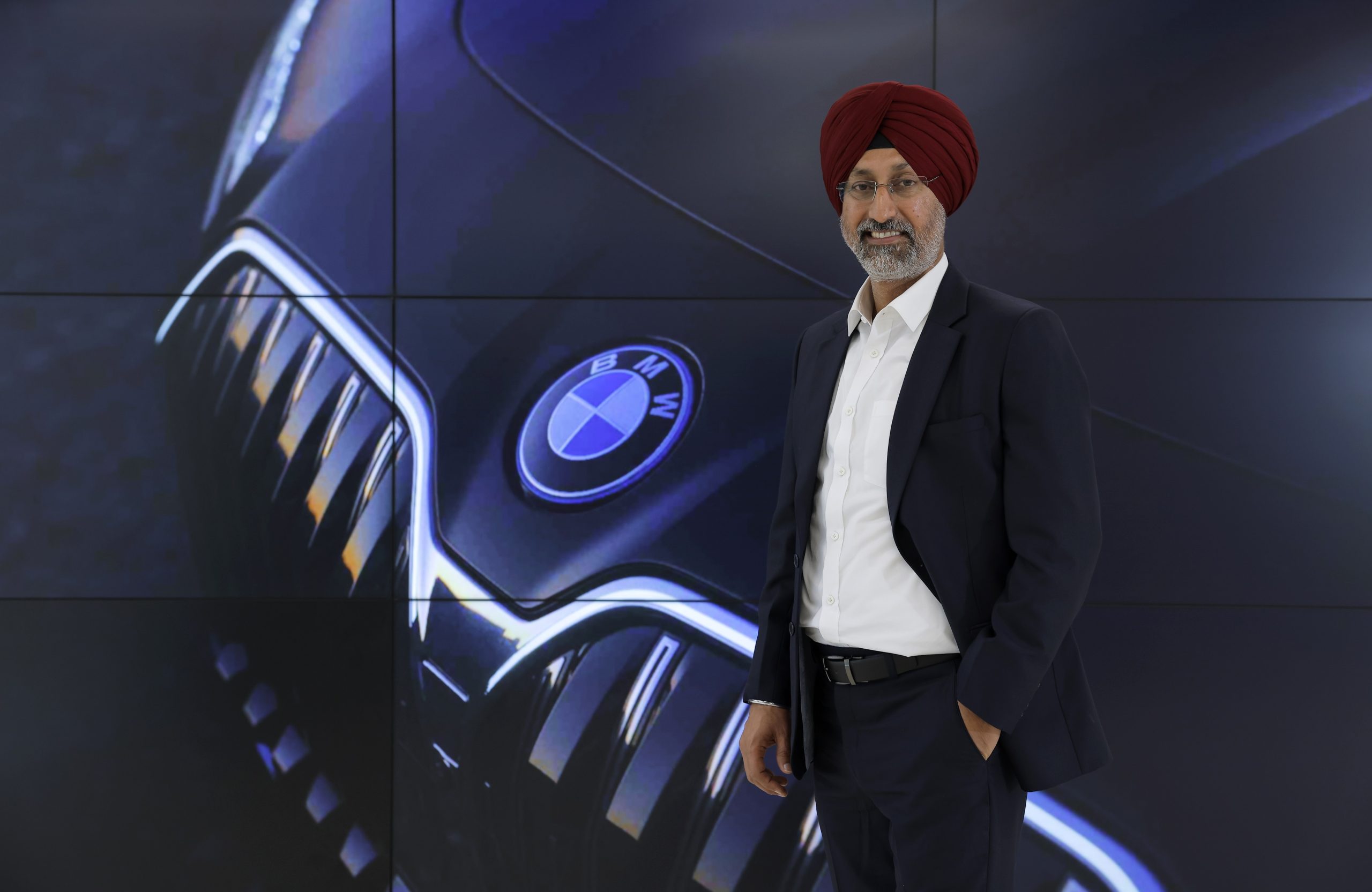
The 30% projection is supported by concrete, real-time sales momentum.
In a recent statement, Brar revealed that EVs already account for around 21% of BMW’s total sales in India in 2025 (as of September 2025). Between January and September 2025, BMW Group India retailed 2,509 electric BMWs and MINIs, marking an impressive 246% year-on-year growth in the luxury segment.
Given this aggressive momentum and the fact that several luxury OEMs now aim to include an electric option across every major segment-from compact SUVs (like the top-selling BMW iX1) to full-size sedans (like the flagship BMW i7)-reaching a 30% EV share by 2030 seems plausible, and perhaps achievable even earlier for some brands.
Key Drivers: Why Luxury EV Adoption is Surging in India
Among luxury buyers, EVs are no longer just an “ethical” choice-they are increasingly making sense on performance, convenience, and long-term value.
| Driver | Why It Matters for Luxury Buyers |
| Improved EV Infrastructure + Policy Support | Easier charging access and gradual regulatory clarity reduce range anxiety-making EVs more practical for daily use. |
| Better Value Proposition Over Time (TCO) | Luxury EVs promise lower running costs, fewer maintenance hassles, and a competitive Total Cost of Ownership (TCO), with residual values stabilizing as battery tech and certification mature. |
| Increased Model Choices across Segments | From compact SUVs (e.g., iX1, Volvo EX40) to flagship sedans (e.g., i7, EQS), buyers now have meaningful electric options in every price bracket. |
| Changing Buyer Preferences | Younger, affluent buyers value sustainability, high performance, and instant torque attributes where premium EVs significantly shine. |
| Global OEM Shift to Electrification | When global leaders commit to EV roadmaps, Indian subsidiaries follow-driving new EV launches and robust after-sales support. |
2025 Data: Luxury EV Sales & Market Share in India
The early 2025 sales figures underline the shift:
- The Luxury-EV segment saw a 66% YoY jump in units sold, with over 2,027 units retailed in just the first five months of 2025.
- In the same period, overall luxury car sales grew modestly-indicating that EVs are disproportionately contributing to the segment’s overall growth.
- The EV share in the luxury segment increased from 7% (2024) to approximately 11% by mid-2025, demonstrating a rapid shift from niche to mainstream.
These numbers confirm that EVs are no longer a side project but a core growth engine for the luxury sector.
Market Impact: Implications for Luxury Automakers and the Premium Segment
This shift will redefine the entire premium auto market in India:
- Product Strategy Shift: OEMs are not just launching EVs-they are building full EV lineups. Expect SUVs, sedans, and performance coupes from multiple luxury brands to be electrified by 2027-2028.
- Value & Ownership Models Evolve: Lower running costs and fewer complex maintenance cycles will make luxury EVs more cost-efficient over a car’s lifecycle, reinforcing the long-term value proposition.
- Resale & Certification Markets to Grow: As batteries and software support stabilize, residual value will become more predictable. The used-luxury EV market will likely emerge strongly, creating opportunities for early adopters.
The Infrastructure Challenge: Charging and After-Sales
- Charging Infrastructure Gap: Despite rapid growth, public chargers are still sparse outside major metros. Long-distance inter-city routes across states will remain a test for EV feasibility until networks expand significantly.
- Charging Expectations: OEMs and third-party networks must expand fast. Luxury buyers expect seamless home charging, ubiquitous fast-DC charging on highways, and premium after-sales service specific to EV components.
For Buyers: 5 Key Recommendations for Adopting a Luxury EV
The shift means luxury buyers must adjust their decision-making criteria.
- Think Long Term, Not Just Upfront Price: Factor in fuel savings, lower service costs, and potential state incentives. The better Total Cost of Ownership (TCO) often sees EVs pay off over a 5-7 year period.
- Match EV’s Strengths to Your Use Case: EVs shine in city commuting and frequent short-distance drives. For heavy inter-city commuting, prioritize models with high real-world range and ensure reliable fast-charger access on your typical routes.
- Prioritise OEM Backing & Service Network: Choose EVs from OEMs with strong, committed dealer networks and a long-term roadmap for battery diagnostics and replacement support.
- Watch for EV-Focused Models from Multiple OEMs: As more brands enter the EV space and market leaders solidify their presence, competition will intensify, improving pricing, model choice, and service quality.
- Stay Updated on Infrastructure Developments: A robust charging network is the ultimate key to worry-free ownership. Monitor public charger rollout and home charging solutions in your city and on key travel corridors.
Conclusion: 2030 Is Closer Than You Think
The projection by BMW India’s CEO is no longer a distant ambition; it is an imminent reality. The 2025 data clearly shows the foundation being laid: EV sales growing 2-3x, wider model choices, changing buyer preferences, and full industry alignment.
For the Indian luxury car buyer, 2025 marks the definitive inflexion point when the electric vehicle ceases to be an ‘alternative’ and assumes its central position in the definition of luxury mobility.
Follow Motozite to stay updated with the latest automotive news, featuring in-depth coverage of new car launches, industry trends, innovations, and everything that matters to car enthusiasts in India.