
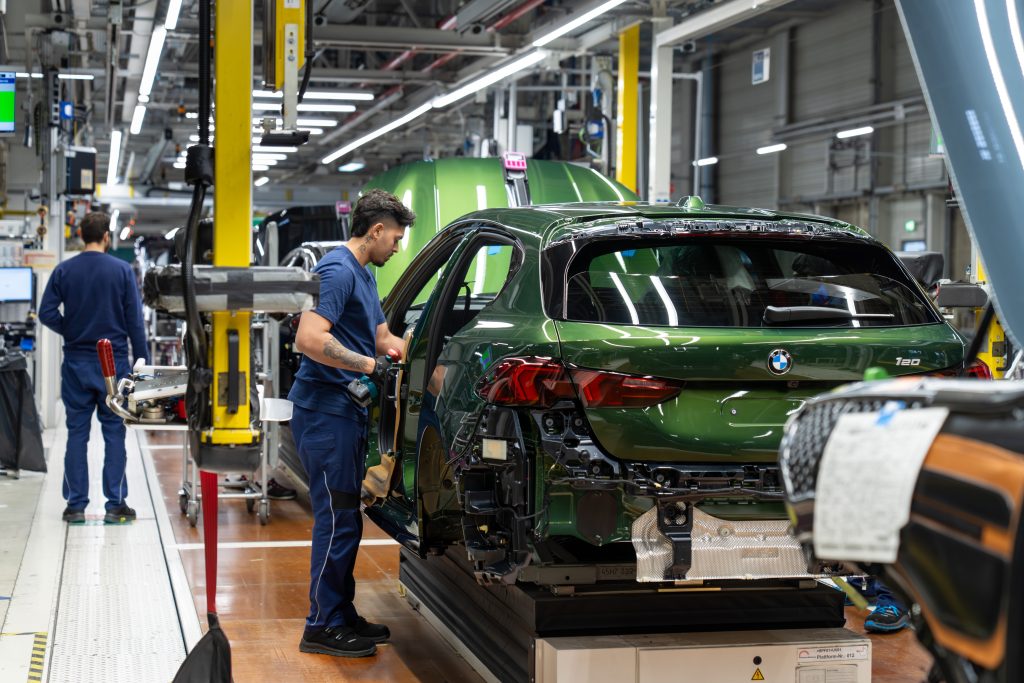
In a major milestone for sustainable mobility, the BMW Group has once again significantly reduced its CO2 emissions across its European vehicle fleet in 2025. By outperforming the European Union’s strict regulatory targets, the company has demonstrated that a strategic focus on electrification and technological efficiency can align with the demanding climate goals of the Paris Agreement.
Setting a New Standard in EU Fleet Emissions
According to preliminary internal data from the BMW Group, the brand’s fleet-wide average CO2 emissions in the European Union region (EU27, Norway, and Iceland) dropped to 90.0 g/km WLTP in 2025. This represents a substantial 9.5 percent reduction from the 99.5 g/km recorded in 2024.
BMW successfully exceeded the EU’s legal fleet emissions target for the year, which was set at 92.9 g/km WLTP. This performance provided the automaker with a buffer of 2.9 g/km below the mandated limit. Notably, BMW achieved these results through its own technological advancements and sales mix, without the need for flexibility credits or pooling mechanisms with other manufacturers.
The Driving Force: Electrification and EV Growth
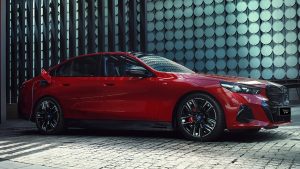
The rapid expansion of the BMW Group’s electrified portfolio, which includes both battery-electric vehicles (BEVs) and plug-in hybrids (PHEVs), was the primary driver behind this emissions reduction. Key performance indicators for 2025 include:
- Total Deliveries: BMW delivered more than 316,000 electrified vehicles across the EU region.
- BEV Performance: Fully electric models accounted for over 202,000 units, representing approximately 26.3 percent of total sales in the region.
- Sales Mix: Electrified vehicles made up 41.1 percent of BMW’s EU sales in 2025, a significant year-over-year increase.
These figures highlight how a robust electric vehicle strategy directly impacts fleet-level CO2 averages. As zero-emission vehicles occupy a larger share of the market, the average emissions per kilometer naturally decline, allowing manufacturers to stay ahead of tightening regulatory curves.
What This Means for EU Fleet Emissions Targets 2025
The EU’s regulatory framework for automotive emissions has become increasingly stringent. The 2025 fleet target required a 15 percent reduction compared to the 2021 baseline. BMW’s ability to overfulfill these requirements signals to consumers and investors that major automakers can successfully balance high-volume business performance with environmental stewardship.
For drivers, this translates to a wider availability of high-efficiency vehicles that do not compromise on the performance or luxury expected of the brand.
Looking Ahead: Beyond Tailpipe Emissions
BMW’s decarbonization strategy extends well beyond the exhaust pipe. The company is pursuing a holistic approach to sustainability across the entire vehicle life cycle, with the ultimate goal of reaching net-zero emissions by 2050.
As part of this roadmap, BMW has established a new 2035 milestone to reduce CO2e emissions by at least 60 million tonnes compared to 2019 levels. This comprehensive strategy includes:
- Supply Chain Management: Expanding the use of secondary raw materials and renewable energy among suppliers, particularly for carbon-intensive components like high-voltage batteries, aluminum, and steel.
- Green Production: Since 2020, all electricity sourced for BMW’s global production plants has come from renewable sources. The new plant in Debrecen, Hungary, is the first to operate entirely without fossil fuels during standard operations.
- Use Phase Efficiency: Implementing continuous improvements in aerodynamics and drivetrain efficiency. For example, the next-generation BMW iX3 is expected to use up to 20 percent less energy than its predecessor.
Conclusion: A Sustainable Road Ahead
The achievements of the BMW Group in 2025 serve as a blueprint for the future of the automotive industry. By exceeding EU fleet emissions targets, aggressively expanding its electric lineup, and addressing the carbon footprint of its entire supply chain, BMW is reinforcing its position as a leader in the transition to sustainable mobility.
Stay tuned to Motozite for the latest automotive insights, expert analysis on industry trends, and in-depth updates on how the world’s leading brands are shaping the future of transportation. Whether you are looking for detailed vehicle comparisons or the latest news on global emissions standards, we provide the expert perspective you need to stay ahead of the curve.