
Introduction

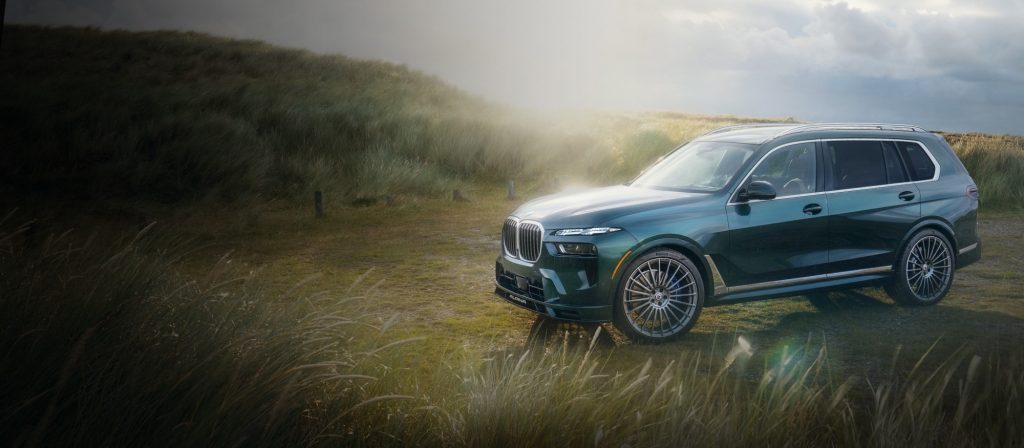
In a strategic move that reshapes the performance and luxury hierarchy of the automotive world, the BMW Group officially launched BMW Alpina as an exclusive standalone brand on 1 January 2026. This transition elevates Alpina from a specialized small-series manufacturer into a full-fledged marque within the corporate portfolio, sitting alongside BMW, Mini, and Rolls-Royce. This integration signals a new era for bespoke performance luxury, offering a unique alternative for enthusiasts who prioritize refined power and individual craftsmanship.
The Evolution of a Legend
Alpina roots trace back to 1965 when Burkard Bovensiepen began enhancing BMW vehicles to achieve a delicate balance of speed and comfort. Recognized as an independent manufacturer by the German Federal Motor Transport Authority since 1983, Alpina spent decades producing iconic models like the B3 and B8.
The path to full integration began in March 2022 when the BMW Group acquired the trademark rights. While the previous agreement allowed Alpina to operate independently through the end of 2025, the official transfer on New Year Day 2026 marks the completion of its transition into the BMW Group structure.
Defining the BMW Alpina Identity
BMW Alpina is positioned as a luxury sub-brand focused on high-performance capability paired with artisan levels of craftsmanship. According to official BMW Group statements, the brand is built on four core pillars:
- Maximum performance integrated with superior ride comfort.
- Distinctive driving characteristics that emphasize effortless power delivery.
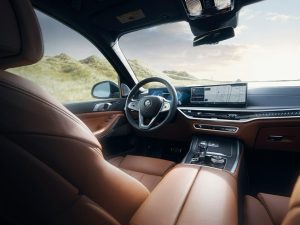
- An exclusive portfolio of bespoke materials and handmade interior options.
- Targeted exclusivity for connoisseurs who view their vehicle as an individual object of art.
This positioning places BMW Alpina in a specific niche. It is more luxury-oriented than the track-focused BMW M division, yet more performance-driven than a traditional luxury label like Rolls-Royce, effectively serving as BMW answer to the Mercedes-Maybach strategy.
New Brand Identity and Design Language
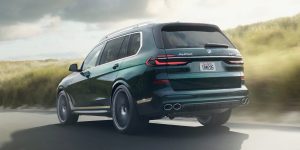
A key highlight of the launch is the introduction of a redesigned wordmark. Drawing inspiration from Alpina asymmetrical logo of the 1970s, the new branding bridges the heritage of the Bovensiepen era with a modern, minimalist aesthetic. This wordmark will be centrally positioned on the rear of future models, serving as a clear visual indicator of the brand standalone status and independent personality.
Key Differentiators: BMW Alpina vs. BMW M
While both represent the pinnacle of BMW engineering, they cater to different driving philosophies:
- Performance Philosophy BMW M focuses on aggressive, track-inspired dynamics and sharp handling. BMW Alpina prioritizes long-distance touring and high-speed composure, often featuring a Comfort Plus suspension mode that provides a supple ride quality not found in M models.
- Exclusivity and Volume BMW M is a high-volume performance brand, selling over 200,000 vehicles globally in recent years. In contrast, Alpina has traditionally maintained a boutique scale, producing approximately 1,700 units per year. This rarity ensures that a BMW Alpina remains a rare sight on public roads.
- Bespoke Customization Alpina models are renowned for their Lavalina leather interiors and signature wood trims. The new brand structure promises even deeper levels of personalization, allowing owners to customize everything from stitching patterns to acoustic refinement.
Future Model Outlook
While the initial phase focuses on brand activation, industry analysts and early spec sheets suggest a clear roadmap for the first generation of BMW Alpina vehicles:
- The BMW Alpina B7 Expected to return as a flagship based on the updated 7 Series later in 2026, likely featuring a refined V8 powertrain.
- The BMW Alpina XB7 Building on the success of the current X7 platform, this model is expected to remain a cornerstone of the lineup, blending three-row utility with 631 horsepower and bespoke luxury.
- Electrification As the BMW Group moves toward its Neue Klasse platform, future Alpina models are expected to adapt to electric powertrains while maintaining the brand signature focus on torque-rich, effortless acceleration.
Impact on the Luxury Market
The launch of BMW Alpina reflects a broader shift in the automotive industry where buyers increasingly seek tailored experiences over mass-market luxury. By bringing Alpina in-house, BMW can leverage its global production network to ensure the brand meets modern regulatory and software standards while preserving the niche soul that enthusiasts have loved for over 60 years.
Conclusion
The formal launch of BMW Alpina as a standalone brand is a landmark moment for the automotive industry. By combining the vast resources of the BMW Group with the boutique spirit of Alpina, the marque is perfectly positioned to capture a growing segment of the market that values both performance and understated elegance. As the first in-house models begin to emerge, the automotive world will be watching closely to see how this legendary nameplate evolves for the modern era.
We invite you to follow Motozite for the latest updates on BMW Alpina, including upcoming model reveals, expert performance reviews, and in-depth comparisons of the world’s most exclusive luxury vehicles.