
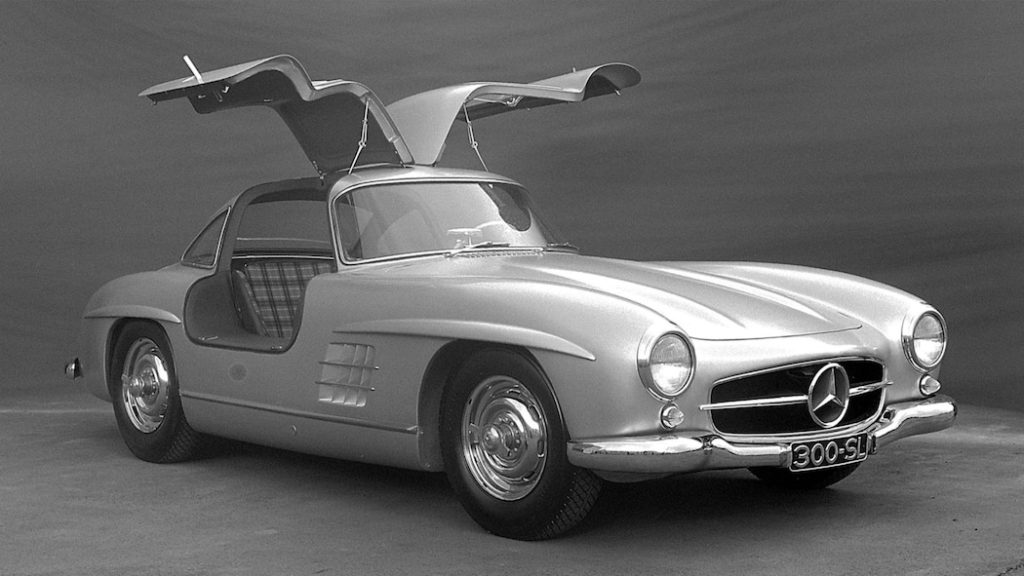
In an industry defined by relentless change, Mercedes-Benz stands as the ultimate global symbol of automotive innovation. In 2026, the iconic brand celebrates a monumental milestone: 140 years since the invention of the automobile. This anniversary is marked by a visionary push toward a new era of software-defined, electric, and autonomous mobility.
From Carl Benz’s original patent in 1886 to the digital-first systems of today, the journey of Mercedes-Benz mirrors the evolution of modern transportation.
-
The Beginning: The Birth of the Automobile (1886)
The story of the modern car began on January 29, 1886, when Carl Benz applied for a patent (DRP 37435) for his gasoline-powered three-wheeler. This invention is widely recognized as the first true automobile and is now part of UNESCO’s Memory of the World Register.
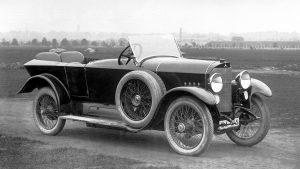
Shortly after, Gottlieb Daimler and Wilhelm Maybach unveiled their motorized carriage, adding four-wheel propulsion to the early automotive blueprint. These parallel breakthroughs laid the foundation for individual mobility, transforming how the world connects.
-
Early Technical Innovations That Transformed Driving
The early 20th century saw Mercedes-Benz establish the fundamental DNA of the motor vehicle:
- Steering and Cooling (1893–1900): In 1893, Carl Benz patented axle pivot steering, solving the stability issues of early four-wheeled vehicles. In 1900, the honeycomb radiator debuted on the Mercedes 35 hp, a design that became an industry standard for engine cooling.
- Chassis Advancements (1933): By the 1930s, the brand introduced the trapezoidal-link front axle. This innovation provided a level of ride comfort and handling precision that set a new benchmark for luxury performance.
-
The Safety Revolution: Passive and Active Protection
Mercedes-Benz has consistently led the industry in vehicle safety, introducing features that are now mandatory worldwide:
- Safety Body (1951): Engineer Béla Barényi patented the concept of “crumple zones.” This design featured a rigid passenger cell surrounded by energy-absorbing deformation zones, fundamentally changing crash survival rates.
- ABS (1978): The first digitally controlled Anti-lock Braking System made its debut in the S-Class, ensuring vehicles remained steerable even during emergency braking.
- PRE-SAFE (2002): This revolutionary system bridge the gap between active and passive safety by anticipating collisions and automatically tensioning seatbelts or closing windows before impact.
-
Technology and Automation: From Assistance to Autonomy
The brand’s transition from mechanical engineering to software-driven intelligence is a cornerstone of its 140-year legacy:
- SAE Level 3 Approval: In 2021, Mercedes-Benz became the first automaker to receive international legal approval for conditionally automated driving. By late 2024, the brand increased the certified speed of its Drive Pilot system to 95 km/h on German motorways.
- MB.OS and AI Integration: Launched in 2026, the Mercedes-Benz Operating System (MB.OS) serves as the “central nervous system” of the vehicle. It integrates high-performance computing with AI-driven assistants, including Google Gemini-powered navigation and natural language processing.
- L4-Ready Architecture: The 2026 S-Class features an architecture developed with NVIDIA, designed to support future Level 4 autonomous operations and robotaxi ecosystems.
Also Read: 2026 Mercedes-Benz S-Class Facelift: A New Era of Luxury, Tech, and Performance
-
Electric Mobility and Sustainable Innovation
Sustainability is no longer a concept but a production reality at Mercedes-Benz:
- VISION EQXX: This technology program shattered efficiency records, achieving over 1,200 km on a single charge during real-world drives from Stuttgart to Silverstone. It consumes less than 10 kWh per 100 km, proving that long-range EV travel is viable.
- Circular Economy: The brand is pioneering the use of bio-based materials, such as cactus fibers and mushroom-based textiles, alongside advanced battery recycling programs to minimize environmental impact.
- 800-Volt Architecture: The 2026 CLA EV debuts the Mercedes-Benz Modular Architecture (MMA), supporting ultra-fast charging that can add significant range in just minutes.
-
Celebrating 140 Years: A Global Tribute
To honor its heritage while looking forward, Mercedes-Benz has launched a year-long global celebration in 2026:
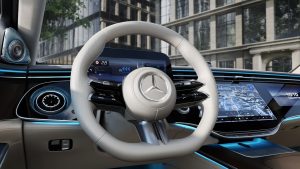
- The New S-Class Facelift: Debuting on January 29, 2026, the updated flagship features the new “Superscreen” interior, micro-LED digital lights, and advanced hybrid powertrains that offer up to 100 km of pure electric range.
- 140 Years, 140 Places: A symbolic expedition across six continents is currently underway. This 50,000 km journey takes three new S-Class sedans to iconic locations, celebrating the brand’s cultural impact with fans and owners worldwide.
Looking Ahead: Shaping the Next Chapter
With over 60,000 patents and a focus on software-defined luxury, Mercedes-Benz continues to redefine the limits of mobility. Today’s focus is on creating a “Welcome Home” feeling through intuitive technology, ensuring that every vehicle is not just a mode of transport, but a highly personalized digital companion. As the brand moves beyond its 140th year, its commitment remains the same: to build the most desirable cars in the world.
From the first patent in 1886 to the AI-integrated luxury of 2026, the story of Mercedes-Benz is one of constant reinvention. Whether through pioneering safety standards, leading the charge in electric efficiency, or mastering autonomous driving, the brand continues to prove that its best innovations are always just over the horizon. Follow Motozite for more deep dives into automotive heritage, expert analysis of the latest trends, and comprehensive updates on the future of luxury mobility.