
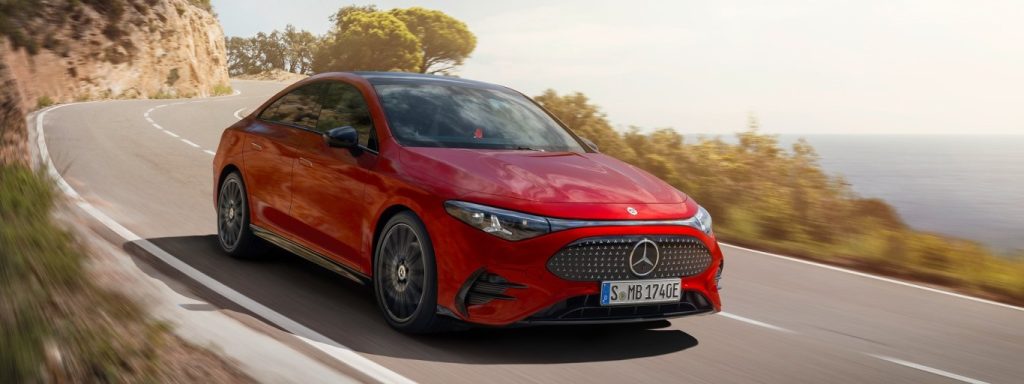
In a significant industry update, Mercedes-Benz India CEO Santosh Iyer has highlighted the role that upcoming Free Trade Agreements (FTAs) could play in boosting demand for luxury cars in India. This development comes at a critical time as the market evolves amid global trade shifts and domestic policy reforms.
The discussion around FTAs has far-reaching implications. It impacts not only Mercedes-Benz but also the broader Indian automotive sector, premium car buyers, and policymakers who are currently shaping the national trade strategy.
Mercedes-Benz India’s FTA Perspective: Driving Growth over Price Cuts
According to Santosh Iyer, FTAs-including prospective agreements with major partners like the European Union and the United Kingdom-are expected to stimulate consumer demand by improving market access and boosting economic sentiment.
However, Iyer stresses that the primary benefit is market expansion rather than dramatic price reductions. Since approximately 95 percent of Mercedes-Benz vehicles sold in India are locally produced, the direct impact of reduced import duties may be limited. Locally assembled models already benefit from lower duty structures compared to Fully Built Units (CBUs).
Key Insight: FTAs serve as a catalyst for market expansion by enhancing consumer confidence and economic activity, rather than acting as a guaranteed path to cheaper luxury vehicles.
Context: Mercedes-Benz India’s 2025 Market Performance
In 2025, Mercedes-Benz India experienced a slight volume decline of approximately 2.85 percent, retailing 19,007 units compared to 19,565 in 2024. This was the brand’s first sales dip in five years, primarily due to softening demand in the entry-level luxury segment.
Despite this dip in volume, the brand’s performance remained strong in several key areas:
- Record Revenue: 2025 was the best year in the company’s history for revenue and profitability, driven by a strategic pivot toward ultra-luxury models.
- Top-End Growth: The Top-End Vehicle (TEV) segment-including the S-Class, Maybach, and AMG variants-grew by 11 percent and accounted for 25 percent of total sales.
- EV Momentum: Battery Electric Vehicle (BEV) sales rose by 12 percent, with the EQS SUV emerging as a leader in the luxury electric space.
- Market Leadership: Mercedes-Benz maintained its position as the top luxury carmaker in India, though the gap with competitors like BMW narrowed.
Why FTAs Matter Beyond the Price Tag
The outlook from Mercedes-Benz aligns with a broader economic narrative regarding trade liberalization. The benefits of these agreements extend beyond simple tariff math:

- Market Reach: FTAs expand the reach for both Indian consumers and exporters, fostering a more interconnected trade environment.
- Investment and Jobs: Enhanced access to global markets typically encourages foreign direct investment (FDI) and creates high-skilled employment opportunities.
- Global Portfolio Positioning: Increased demand for luxury vehicles can strengthen India’s position as a vital market within the global portfolios of international automakers.
While negotiations with the EU and UK are progressing, industry stakeholders note that only a small portion of the total vehicle market-mostly high-end imports-will see significant tariff changes, as the majority of luxury cars sold in India are already localized.
What This Means for Buyers and the Indian Auto Market
The unfolding FTA landscape will affect different stakeholders in distinct ways:
-
For Luxury Car Buyers
- Price reductions on most popular models are unlikely because they are already locally assembled.
- Buyers may benefit from a wider variety of niche models and high-performance imports that were previously cost-prohibitive.
- Improved economic ties and trade stability generally lead to stronger purchase sentiment in the premium segment.
-
For Automakers
- FTAs may incentivize manufacturers to increase localization of parts to meet “rules of origin” requirements.
- Agreements could turn India into a strategic export hub for “Made in India” luxury components or specific vehicle models.
- Competition is expected to intensify as European and British brands gain more competitive access to the Indian market.
-
For Policymakers
- Strategic trade deals must balance the protection of the domestic manufacturing industry with the benefits of global integration.
- Success depends on weighing tariff reforms against the long-term goal of increasing India’s share in global value chains.
Key Takeaways
- Mercedes-Benz India views FTAs as a tool for boosting overall demand rather than a silver bullet for lowering prices.
- Due to high levels of local production, price drops will likely be restricted to a small percentage of high-end, fully imported models.
- Despite a minor volume dip in 2025, Mercedes-Benz achieved record revenue by focusing on its most premium vehicle segments.
- FTAs act as a broader economic stimulant, driving investment and increasing the competitiveness of the Indian automotive landscape.
Conclusion

As India deepens its trade engagements with global economies, the automotive industry must watch how these agreements reshape market dynamics. While the immediate impact on showroom prices may be modest for many buyers, the long-term effects on demand, production standards, and international competitiveness will be profound. For a brand like Mercedes-Benz, the message is clear: FTAs represent an opportunity to grow the market’s potential and reinforce India’s status as a global luxury hub.
To stay updated on the latest automotive trends, expert analysis, and luxury market shifts, follow Motozite. We provide the insights you need to navigate the fast-moving world of premium mobility.