
The momentum for Tesla’s entry into India is accelerating, and the State of Haryana is making a powerful pitch to be its home base.
On November 27, 2025, Haryana Chief Minister Nayab Singh Saini publicly stated his strong expectation that Tesla would establish its first major electric-vehicle manufacturing plant potential Gigafactory, in Haryana. This coincided with the inauguration of India’s first integrated Tesla facility in Gurugram, which encompasses retail, delivery, service, and V4 Supercharging infrastructure under one roof.
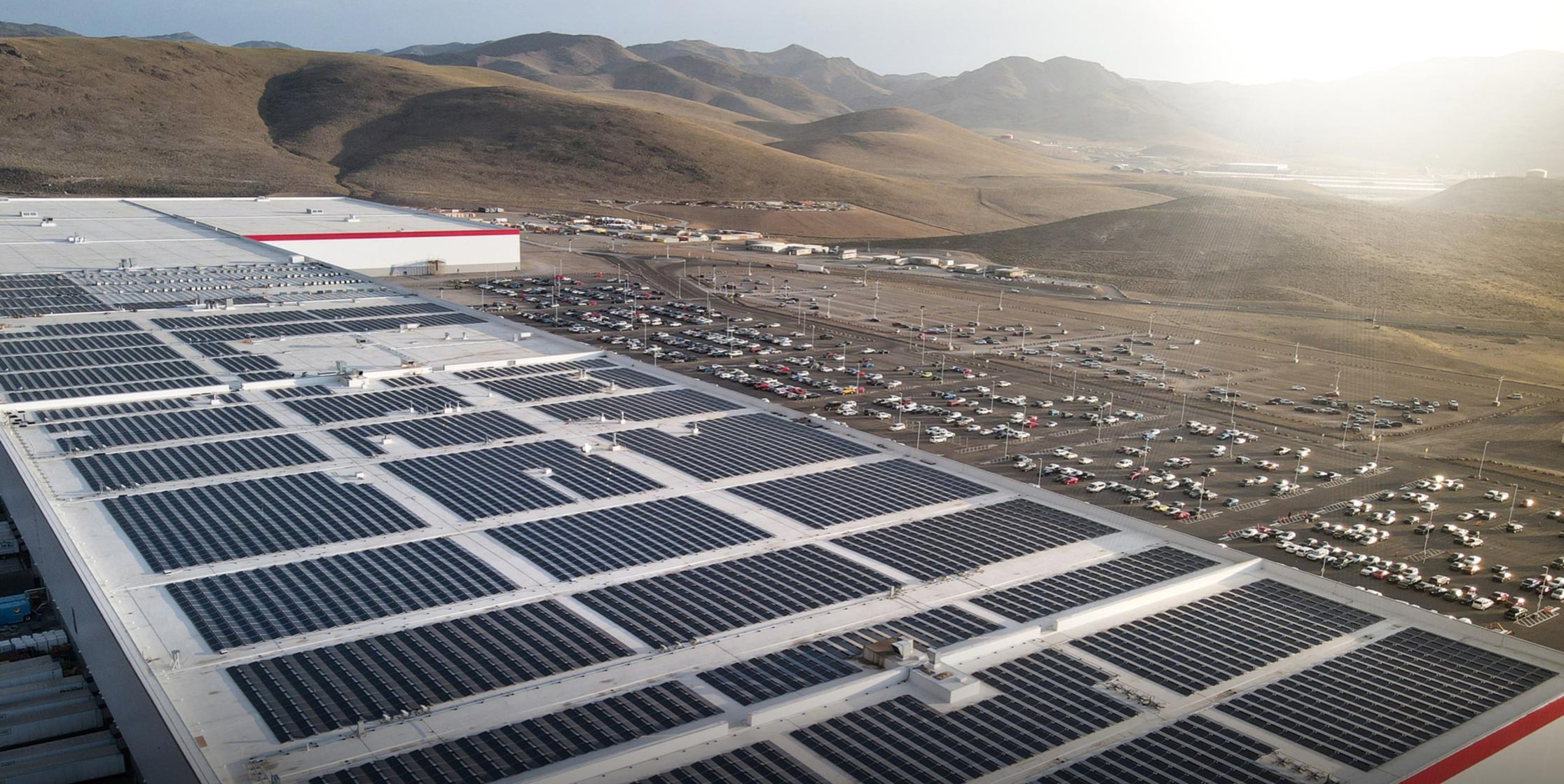
The Haryana government officially invited Tesla, showcasing its highly supportive Electric Vehicle Policy, which offers substantial incentives for EV manufacturers.
- In short, while the initial assembly focus appears to be a Completely Knocked Down (CKD) unit in Maharashtra (as reported by central sources aiming to reduce high import duties), Haryana remains a top contender for a full-scale manufacturing facility. The groundwork for a robust retail and service network, starting in Gurugram, is already well underway.
Why Haryana Is a Strong Contender for a Tesla Gigafactory

Haryana’s existing industrial muscle makes it a practical and strategic location for a global automotive giant.
| Factor | Why It Helps Tesla (Verified Details) |
| Existing Auto/Manufacturing Ecosystem | The state produces approximately two-thirds (67%) of India’s passenger cars and 60% of its motorcycles, ensuring a proven supply chain and logistics integration. |
| EV-Friendly State Policy & Incentives | Haryana’s EV policy offers highly attractive incentives, including 100% reimbursement of stamp duty and 100% exemption on Electricity Duty for 20 years for manufacturing units. |
| New All-in-One Gurugram Centre | This integrated facility demonstrates Tesla’s intent to build core infrastructure first, signalling seriousness about long-term operations in the NCR region. |
| Ease-of-Doing-Business Climate | Government reforms and investor-friendly policies create a viable and competitive environment for setting up a massive manufacturing operation. |
What Tesla’s Localization Could Mean for Indian Buyers & the EV Market
Tesla’s shift from full imports to at least CKD assembly-and eventually, local manufacturing-aligns with the “Make in India” initiative and will revolutionize the luxury EV segment.
1. Better Pricing Through Reduced Customs Duty
Currently, imported Tesla Model Y variants, priced at around ₹60–68 lakh, attract a substantial 70% import duty. Local assembly or manufacturing would allow Tesla to take advantage of India’s new EV Policy for manufacturers.
- This would significantly reduce the Customs Duty component, leading to more competitive pricing and making Tesla EVs accessible to a much wider pool of premium buyers.
2. Faster Deliveries & Wider Availability
A manufacturing base-whether CKD or a full Gigafactory India, can help cut long global lead times. Local production means a larger, more reliable domestic supply, smoother availability of variants, and a potentially more liquid used-EV/resale market.
3. Improved After-Sales, Service & Charging Network
Localizing manufacturing requires a deep commitment to the market. This includes:
- Service Infrastructure: Rapid expansion of service, parts, and maintenance centres beyond the initial Gurugram and Mumbai locations.
- Charging Network: A rapid build-out of the Supercharger network to support nationwide travel major advantage in a country where EV support networks are still evolving.
4. Boost to India’s EV Ecosystem & Jobs
Beyond Tesla itself, localizing production stimulates growth in ancillary industries: battery suppliers, EV components, charging infrastructure, logistics, and R&D. This push aligns perfectly with Haryana’s vision of becoming a national EV and technology hub.
What Luxury-Car Buyers Should Watch Out For
- No Formal Gigafactory Confirmation Yet: The current plan is to begin with a CKD assembly unit to test the market and meet new EV policy requirements. Buyers should wait for a firm announcement on the full-scale plant before factoring it into purchase decisions.
- Regulatory & Tax Considerations: Final pricing will still be heavily impacted by state-specific GST/road tax policies and import duties on key components like batteries.
- Infrastructure Readiness: While the pace is increasing, achieving a seamless, nationwide service and fast-charging network will still take time. EV ownership viability hinges heavily on this maturity.
What Luxury-Car Buyers Should Do Now
- Monitor Pricing & Localization: Keep a close watch on Tesla India’s announcements regarding local variants, price revisions due to CKD assembly, and the final location of the manufacturing unit.
- Evaluate State Incentives: The total cost of ownership is influenced by state-wise EV incentives (registration/tax benefits). Choose a state with robust charging infrastructure and supportive EV policies.
- Prioritise After-Sales: Even with lower cost, ensure you have convenient access to the new Tesla service and charging centres for a premium ownership experience.
A Defining Moment for India’s EV Future
Tesla’s push into India, marked by the new Gurugram centre and the strong pitch from a major auto-hub state like Haryana, is a powerful signal that India is now a serious luxury EV market. If the manufacturing plan-whether CKD or the eventual Gigafactory executed efficiently, India could soon see more competitive EV pricing, faster deliveries, stronger after-sales support, and wider model accessibility, ushering in the next stage of premium electric mobility.
Stay Updated With Motozite.
Follow Motozite to stay updated with the latest automotive news, featuring in-depth coverage of new car launches, industry trends, innovations, and everything that matters to car enthusiasts in India.